Kunming Passing Clouds Hostel: Life on the 24th Floor for €4
Honest backpacker review of Kunming Passing Clouds Hostel. Pros, cons, Wi-Fi for remote work, and the real atmosphere. Is it worth the money for backpackers and nomads?
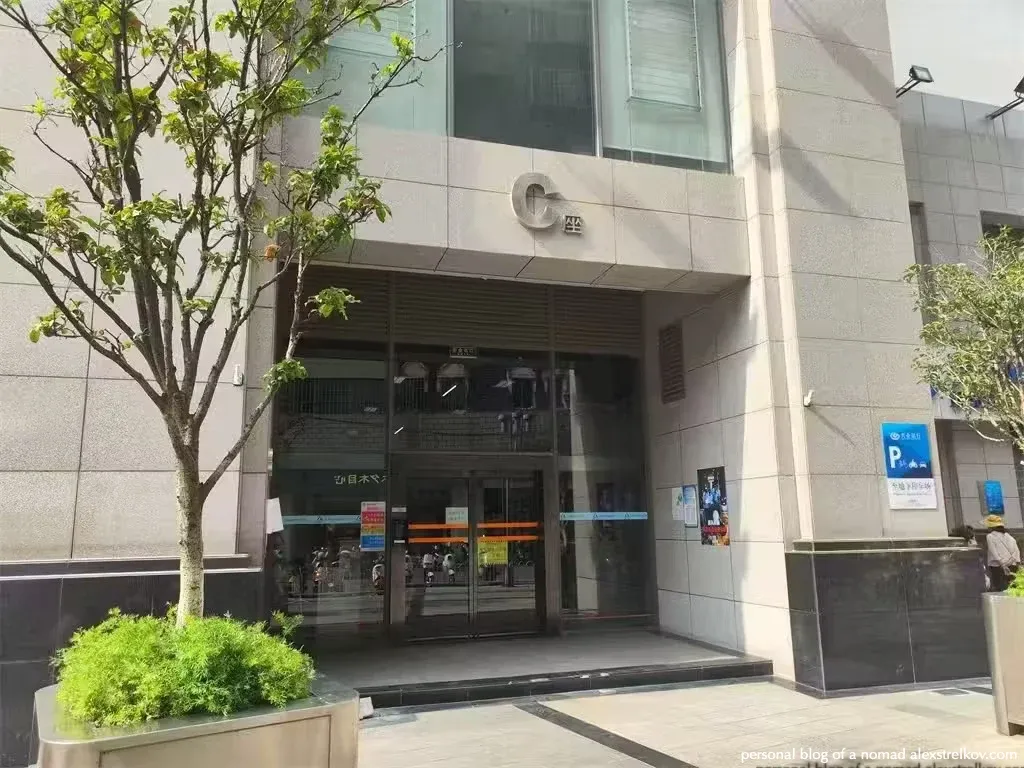
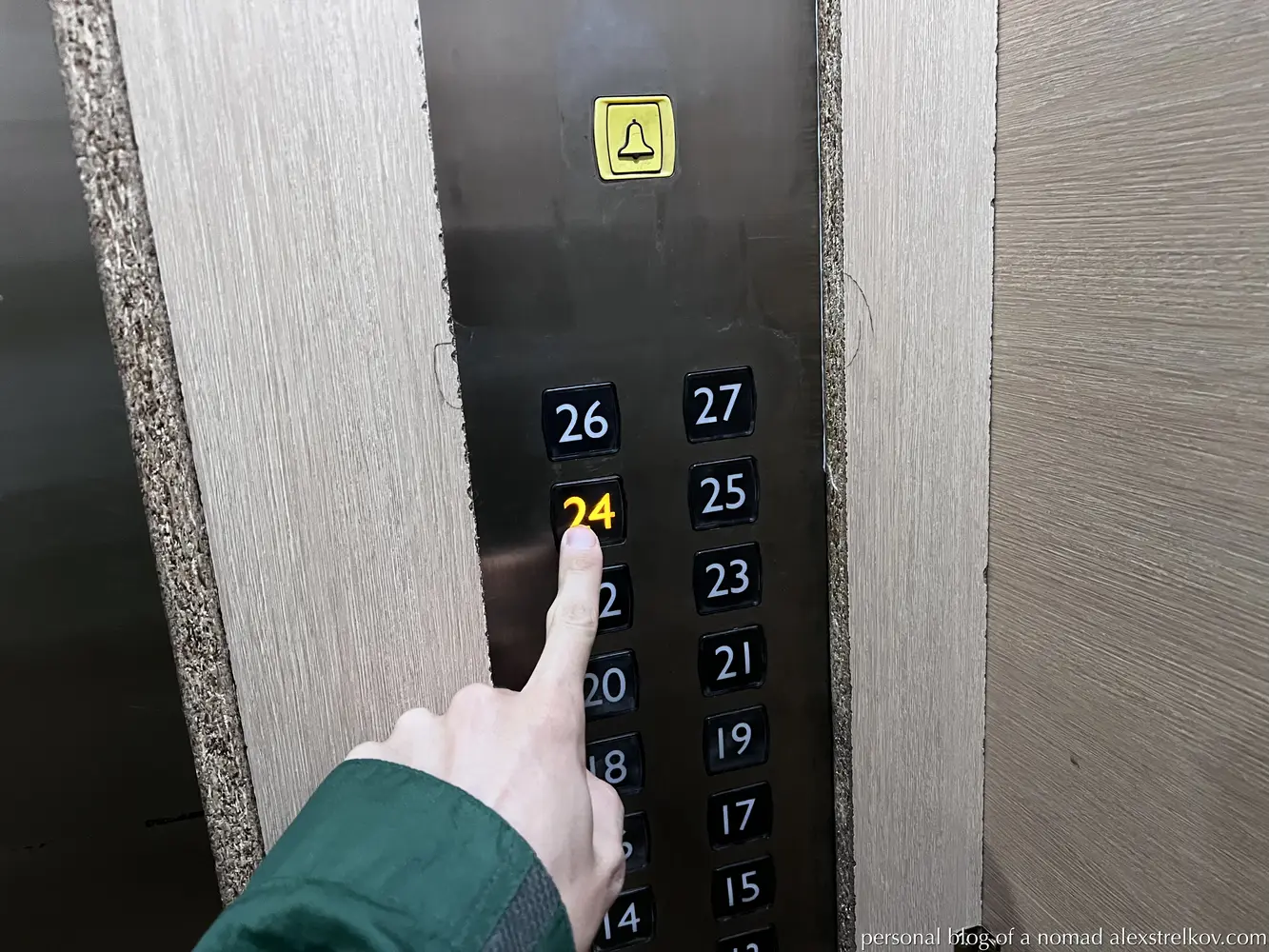
Finding the right hostel in China is a tricky task. Kunming Passing Clouds Hostel (also known as Guowang Yunyan on some maps) doesn't catch your eye from the street. It hides in Block C of the Times Plaza high-rise. Downstairs, a regular security guard waves you through, and the elevator takes you away from the Nanping Street hustle straight up to the 24th floor.
For 32 RMB, you don't expect premium service, but sometimes Asia delivers an excellent base camp for pennies. It's the kind of place where local Chinese travelers heavily outnumber foreigners, and the balcony offers a massive view of the night metropolis. Let's break down if it's worth a stay for an independent overland traveler.
Adress: 4.3分 XishanJinbi Road No.363 Times Plaza Block C Room 2406
The Local Vibe and Balcony View
The hostel occupies a regular apartment converted to fit backpacker needs. Despite the high occupancy rate, the rooms are surprisingly quiet. The crowd is about 80% locals and only 20% foreigners. This creates a calm, non-party atmosphere where no one will be screaming in your ear at 3 AM.
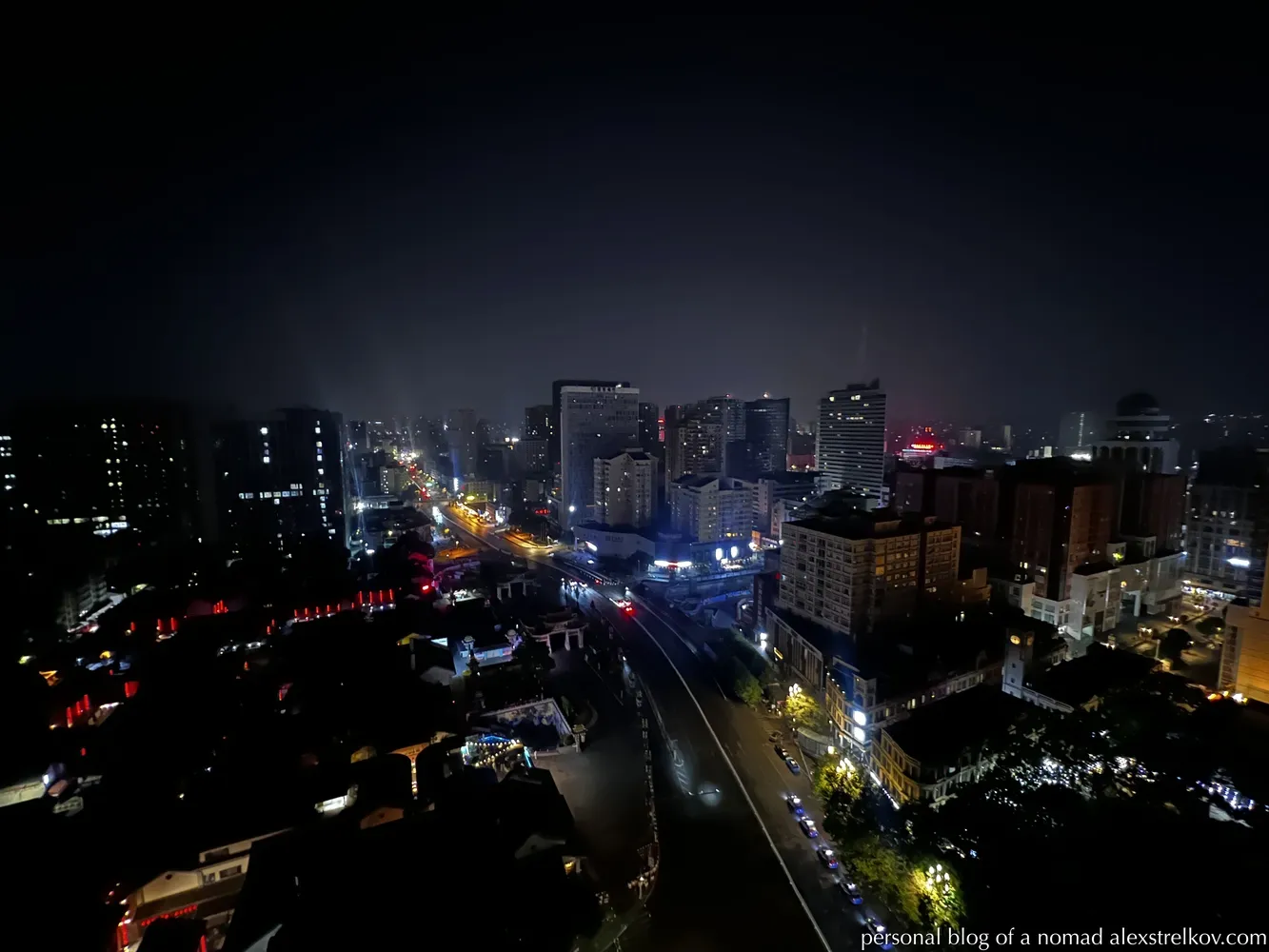
The Balcony: The Ultimate Morning Basecamp
Some spots just hit differently, and this balcony absolutely deserves its own spotlight. It quickly became more than just a place to step outside—it was my favorite morning headquarters. There is a unique kind of energy in starting your day elevated above the street level, watching the local life slowly wake up around you.



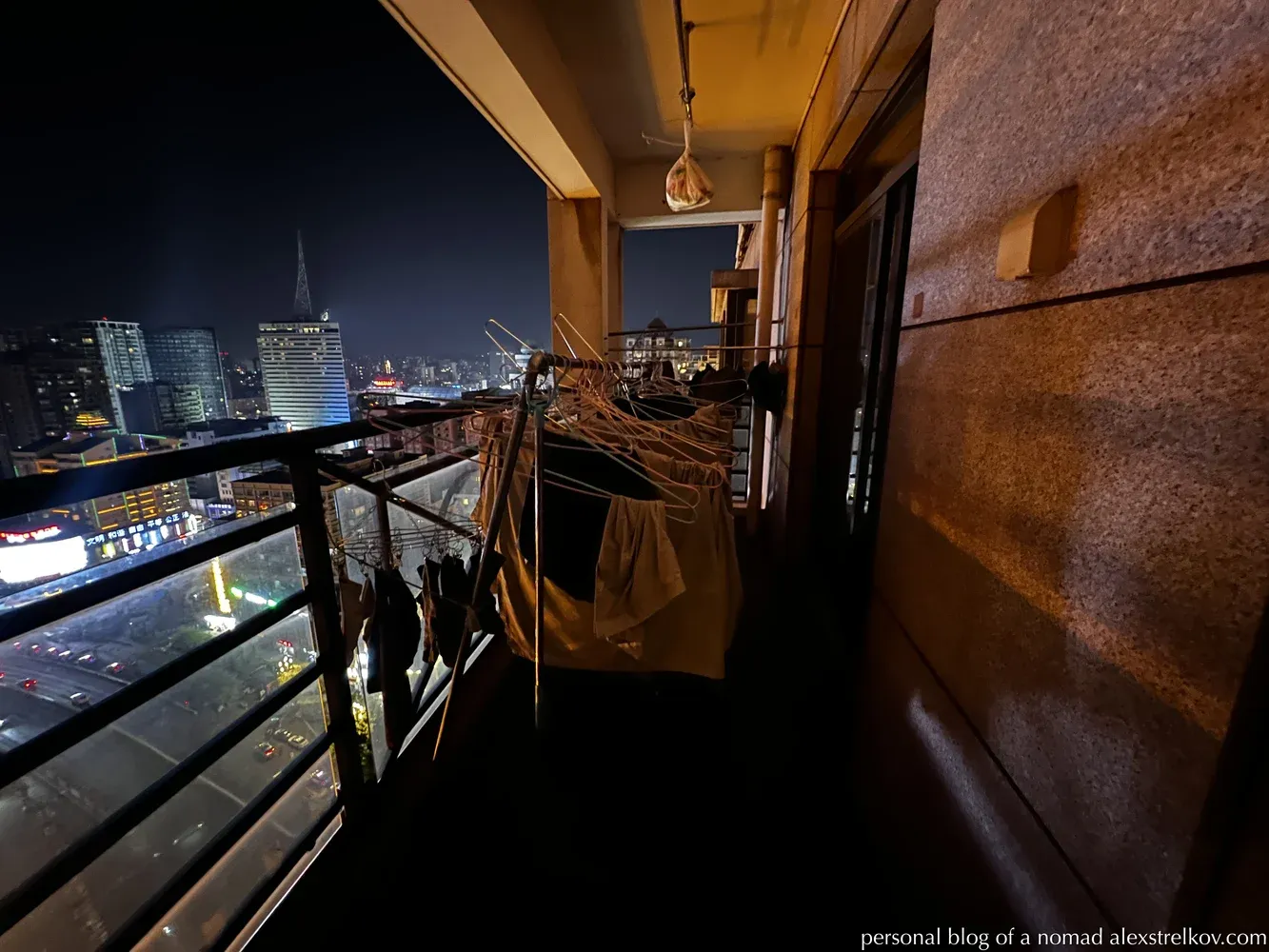
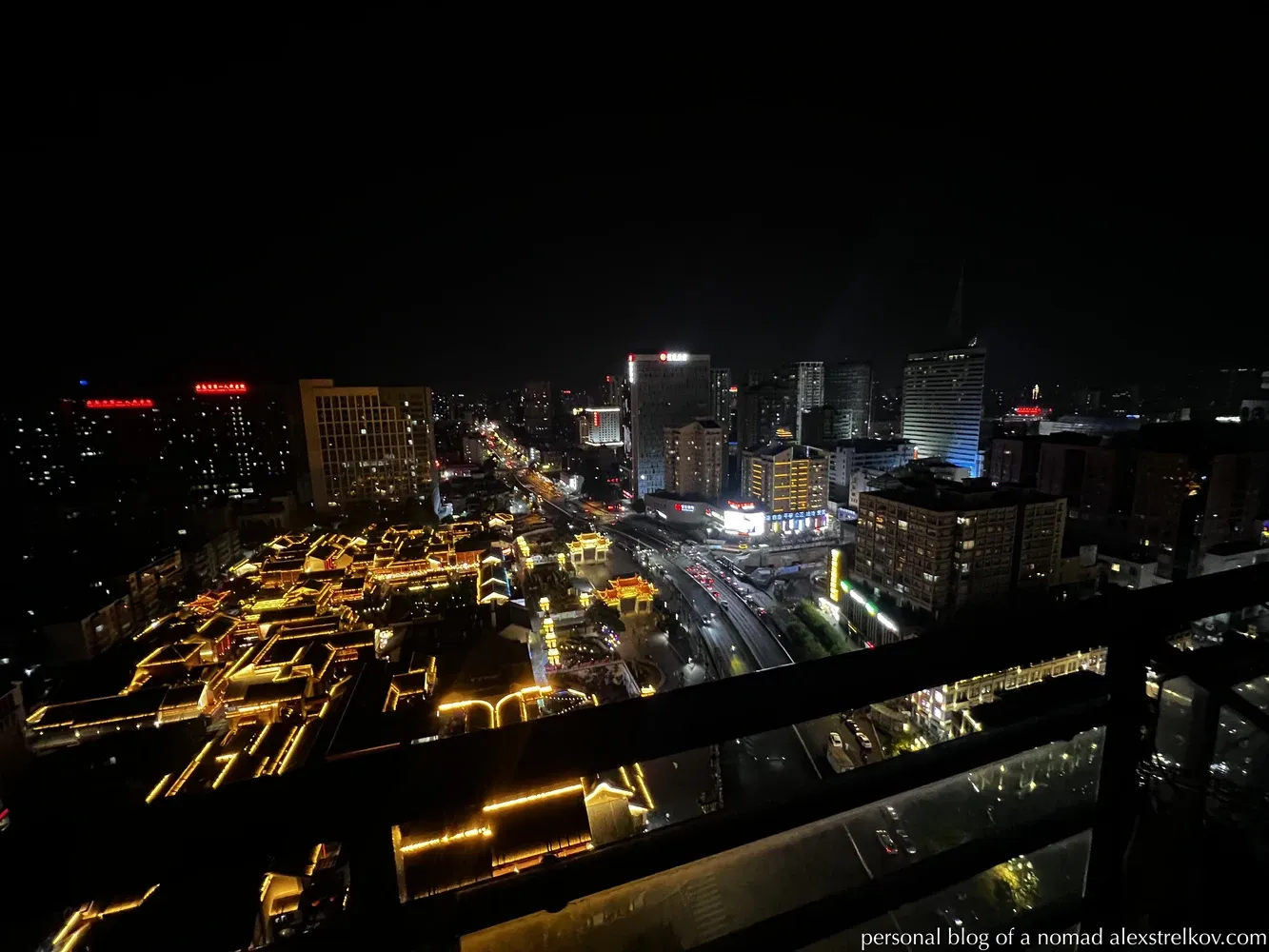
I’ve dropped a quick video below of my daily morning workout out here, along with some raw footage shot straight from the railing.
Between the sweeping views, the ambient morning sounds, and the fresh air, it was the perfect space to recharge, get the blood flowing, and catch the right headspace before heading out to explore with the camera.
Daily Life, Sleep, and the Nomad Workspace
The rooms are equipped with wooden capsule beds with curtains—providing a solid baseline of privacy. Inside, there's a light, an outlet, and everything you need, plus there are lockers available.
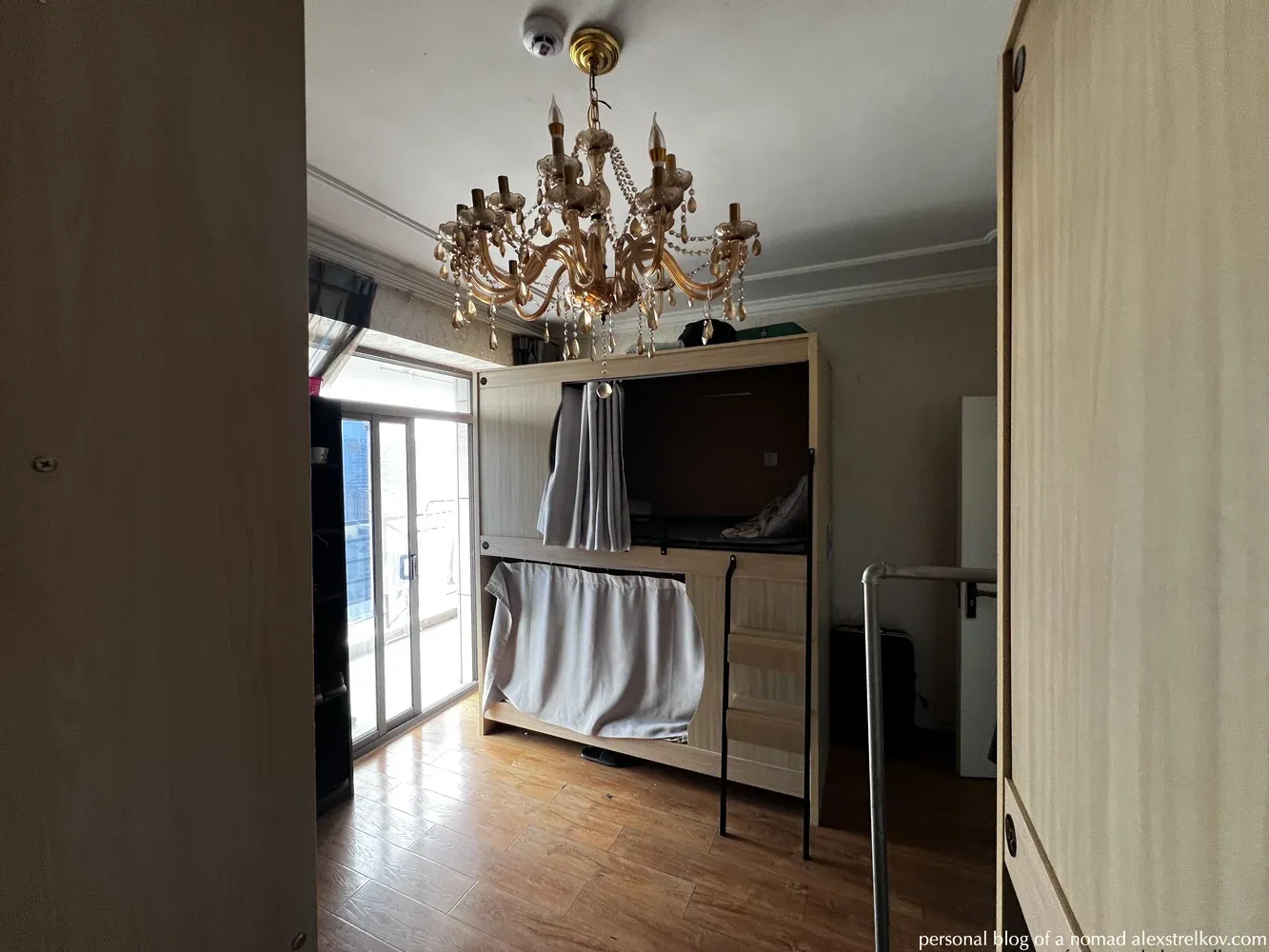
Since the rooms don't have AC, I really appreciated that the young man assisting around the hostel proactively provided me with a fan. He is well-meaning and helps out the female owner, who is genuinely wonderful and clearly the driving force behind the hostel’s cleanliness and great vibe. The service style is definitely on the laid-back, "DIY" side—you'll likely have to make your own bed, and there was a minor communication gap at check-in where my passport photo didn't get forwarded to the owner. Still, despite this hands-off approach, the overall atmosphere remains friendly and welcoming.
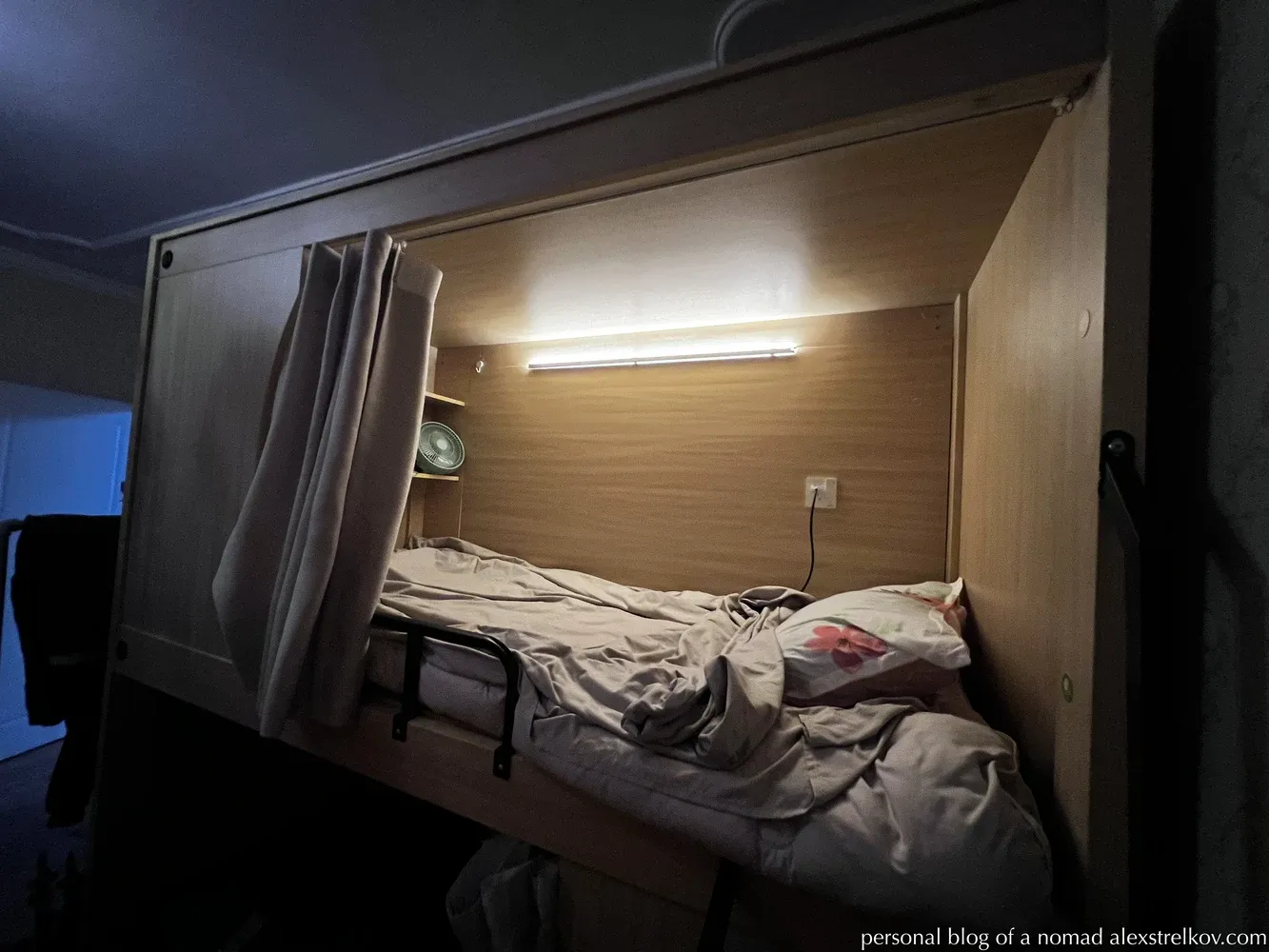
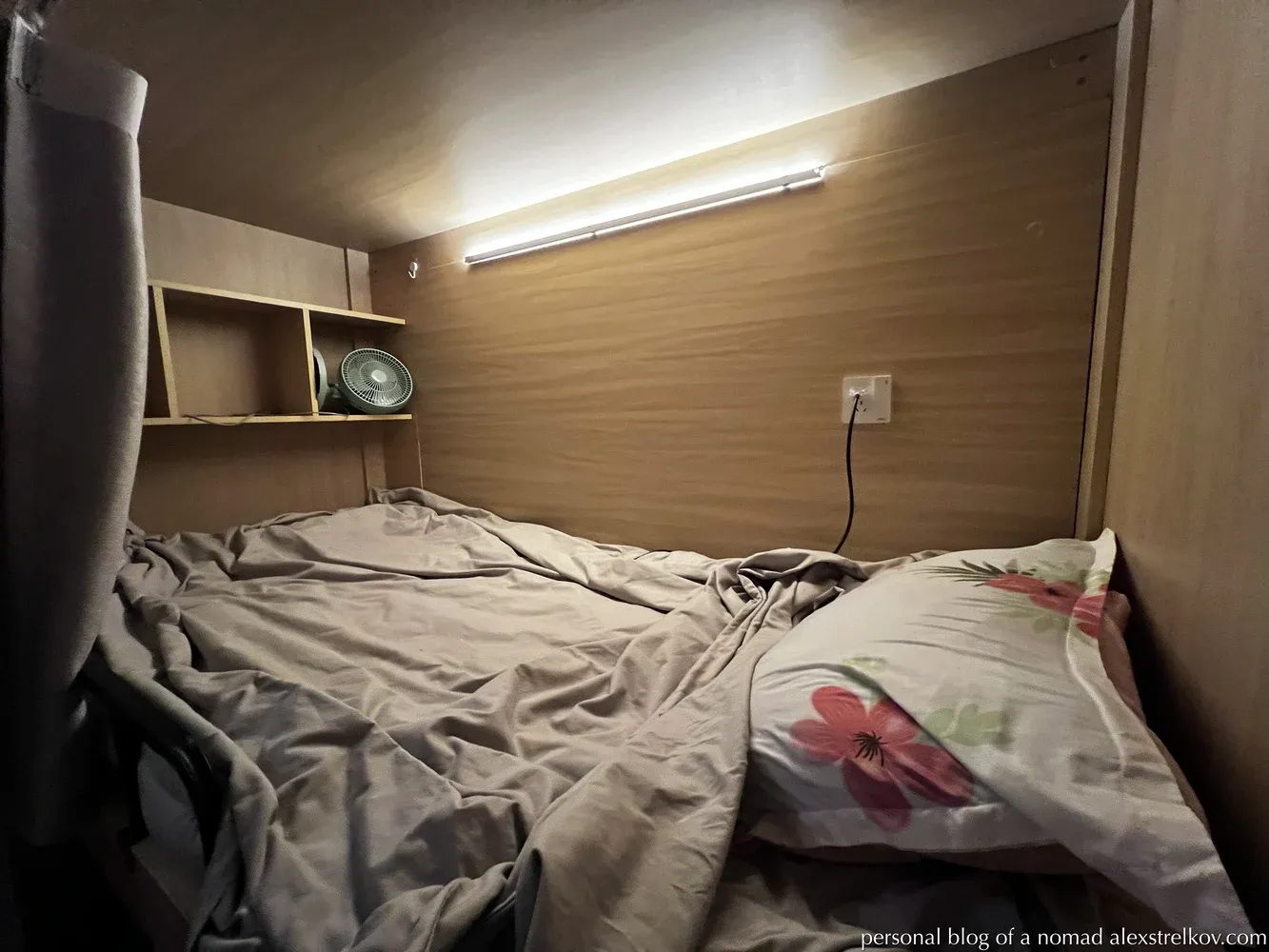
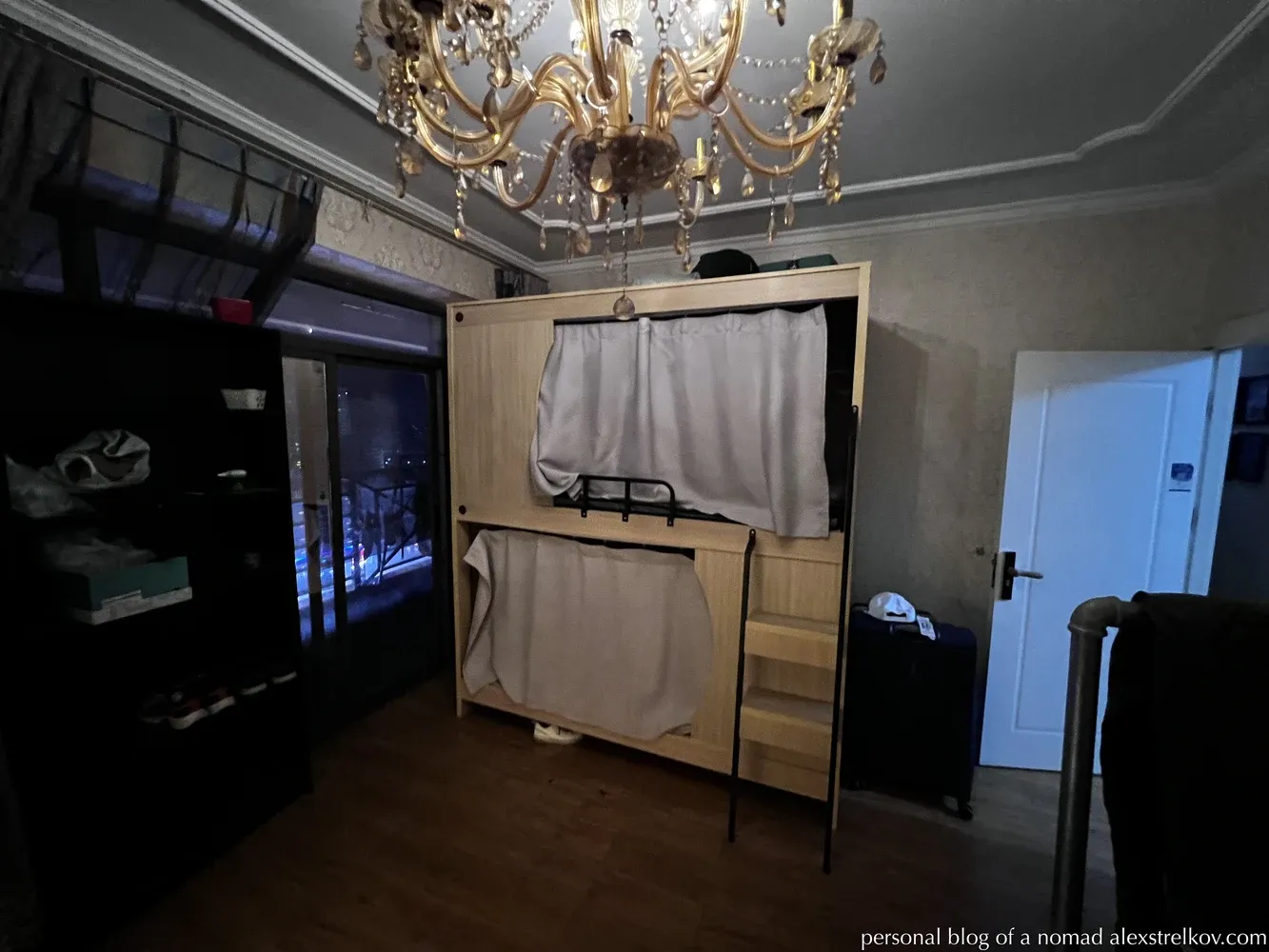
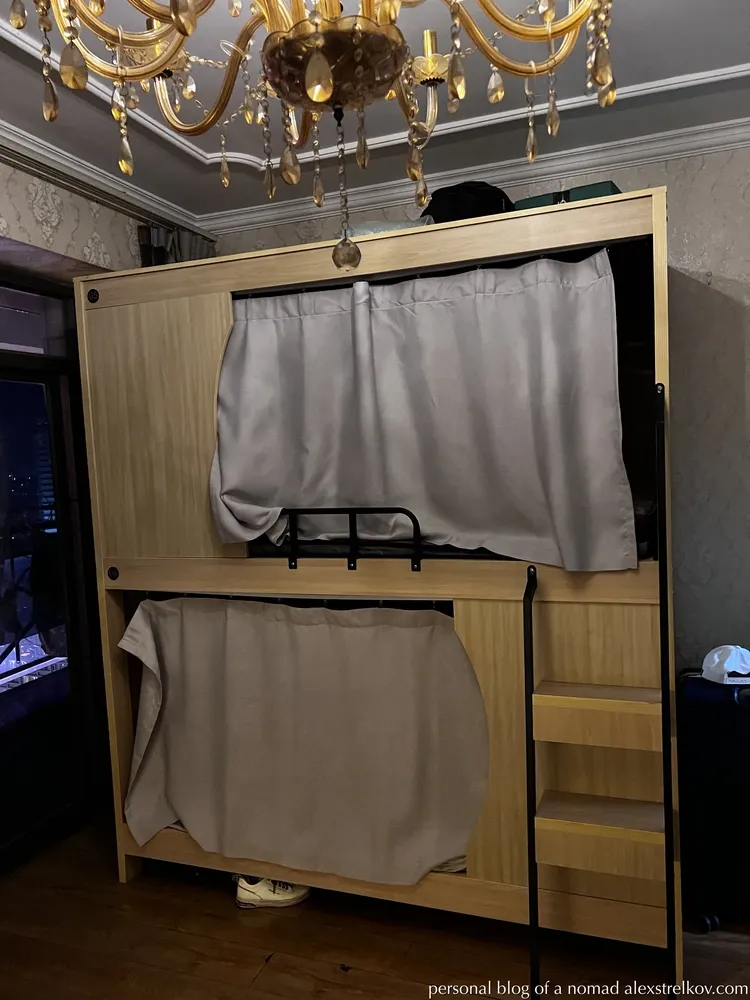
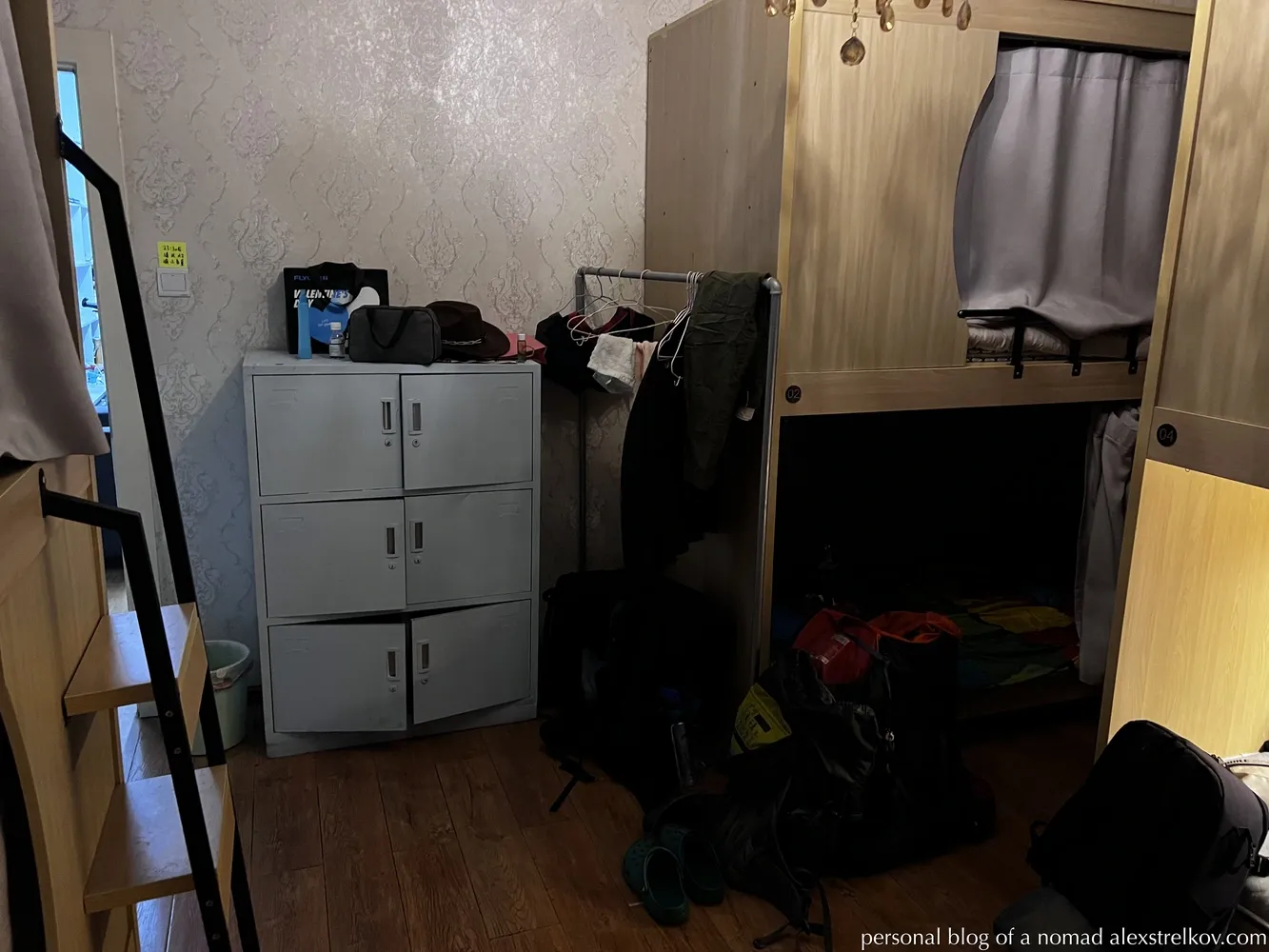
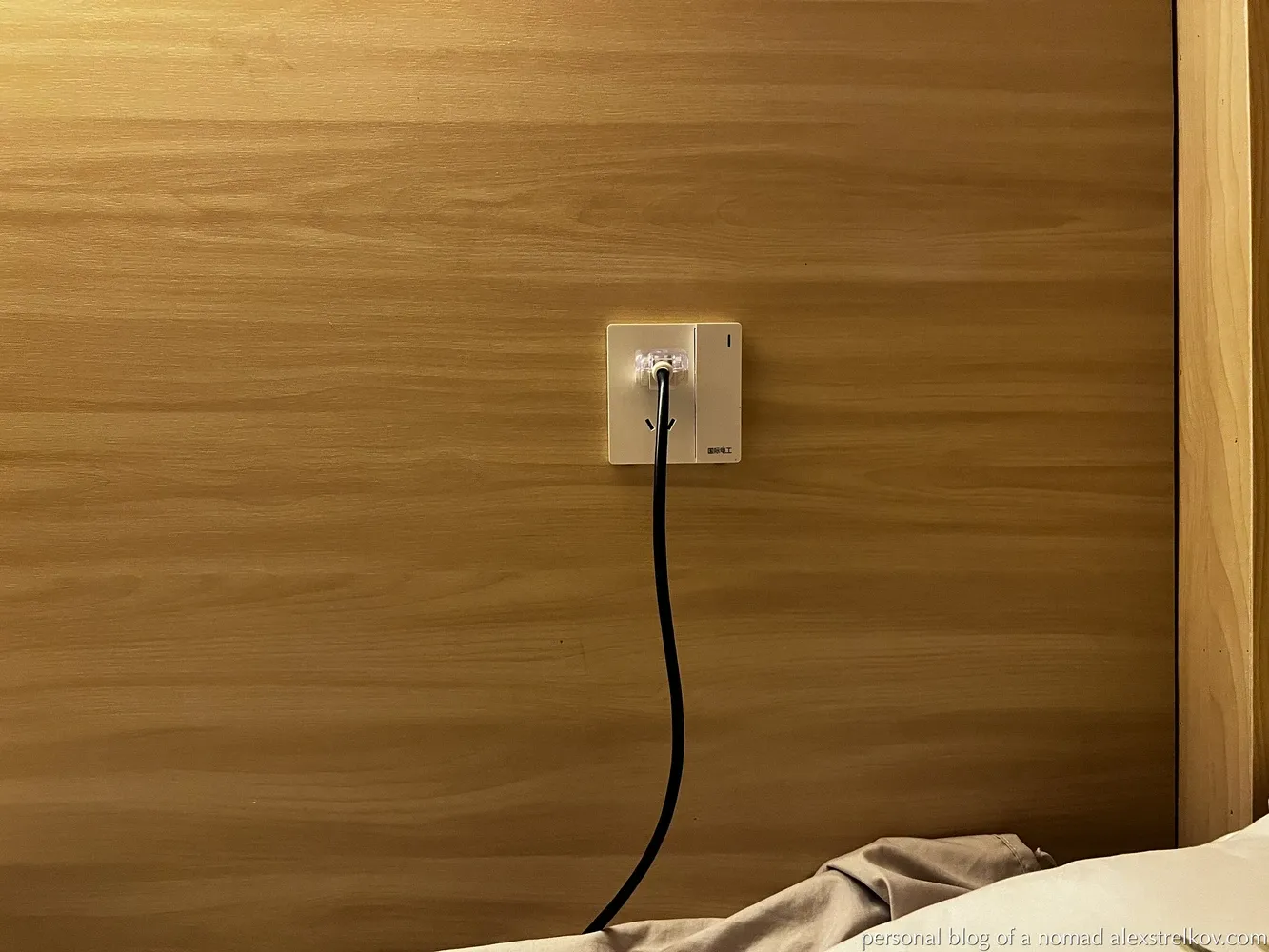
A capsule bed with a curtain is a classic and practical solution for privacy in a dorm. I took the photos in the evening; everything looks even better in the morning after the owner cleans up.
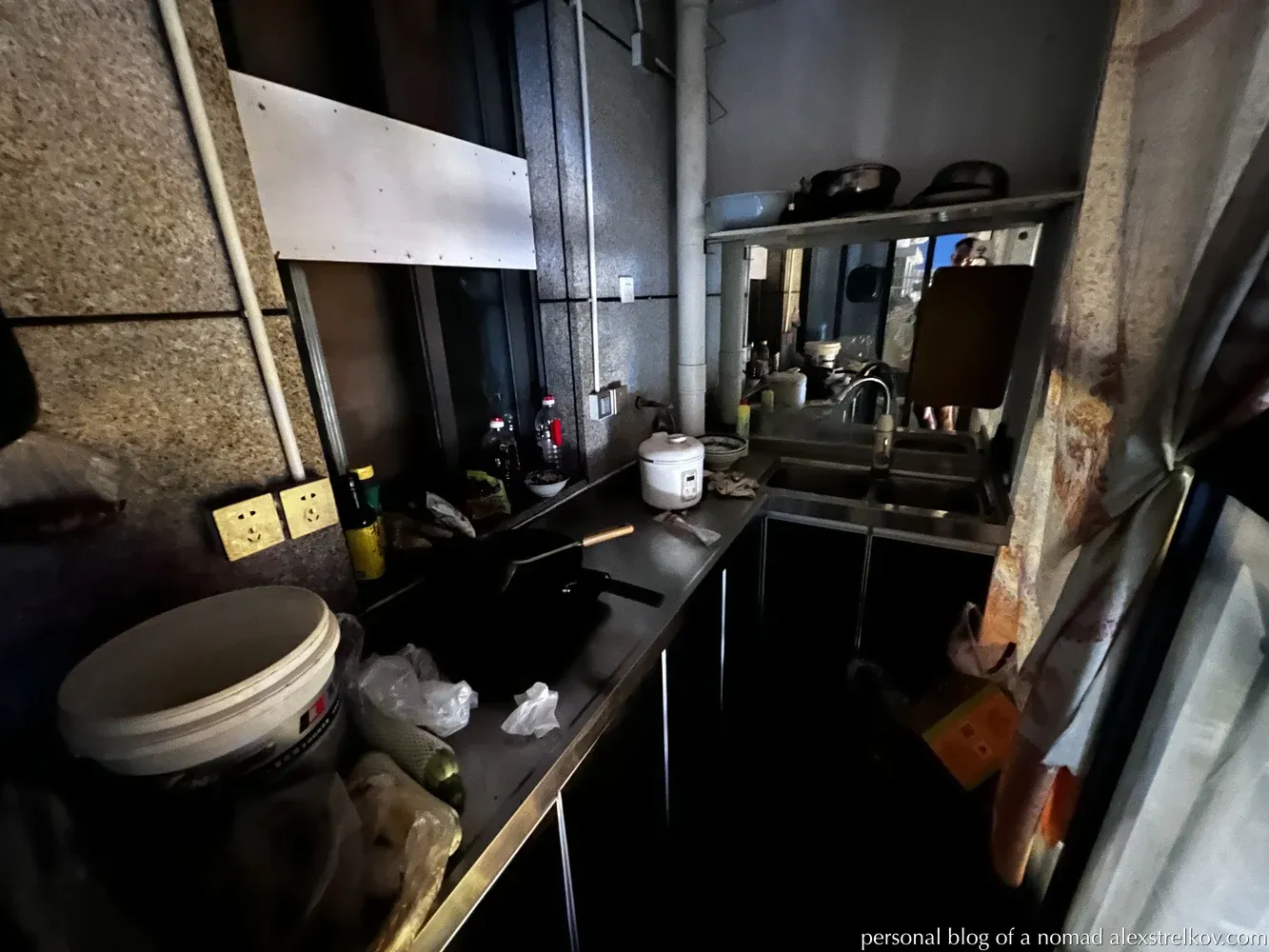
The bathroom is shared and typically Chinese: a squat toilet with a showerhead right above it. There's also a washing machine.
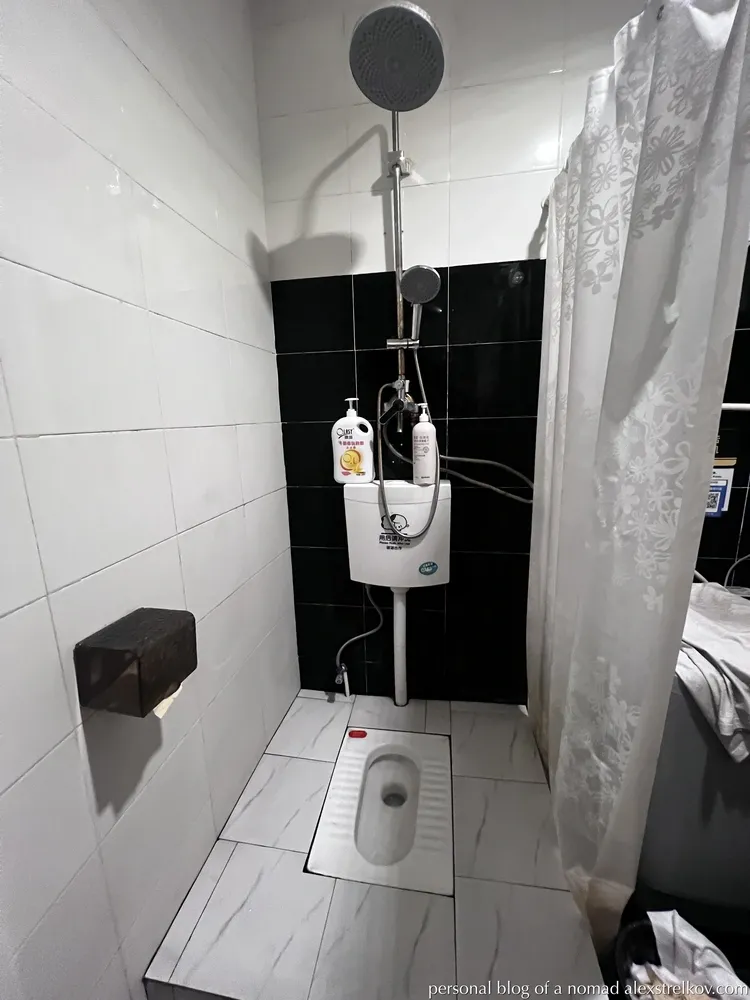
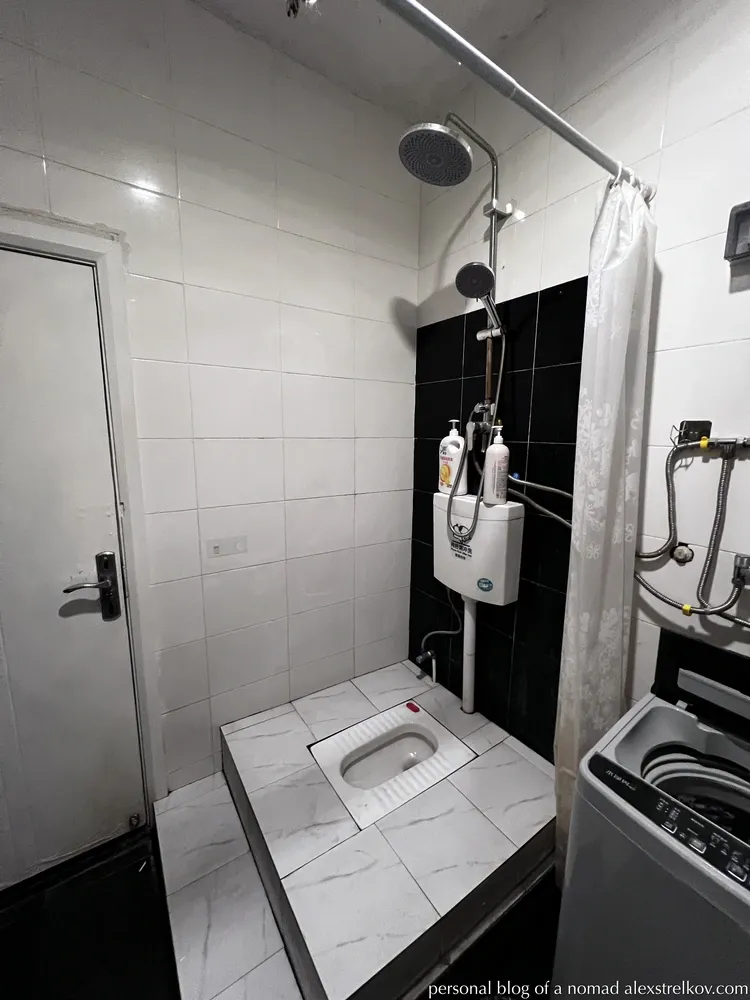
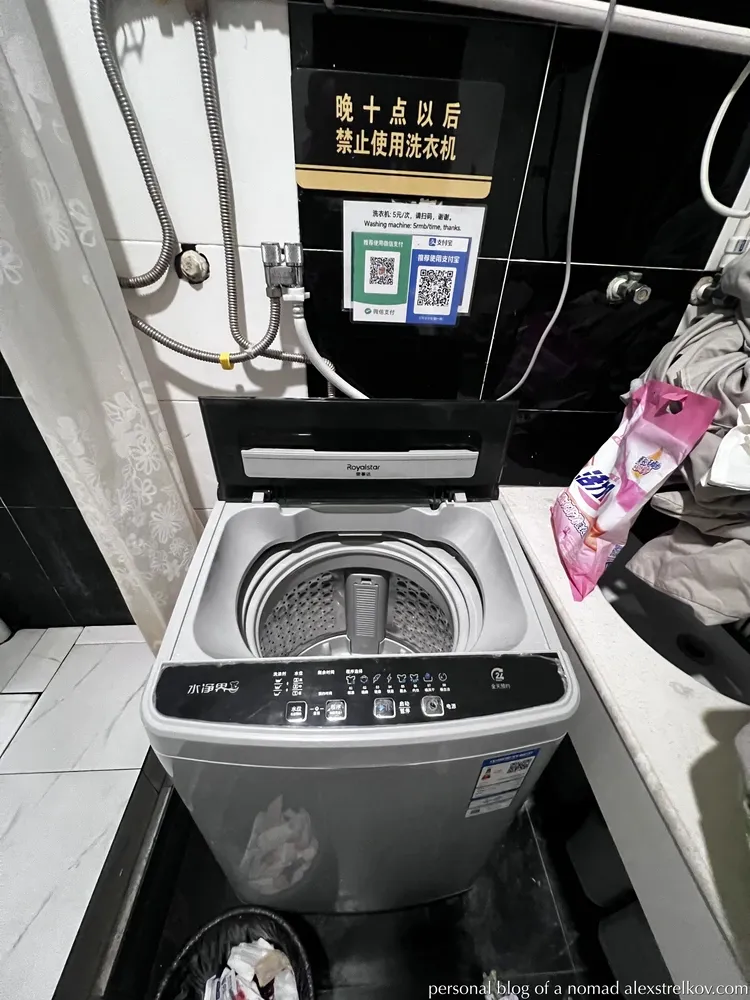
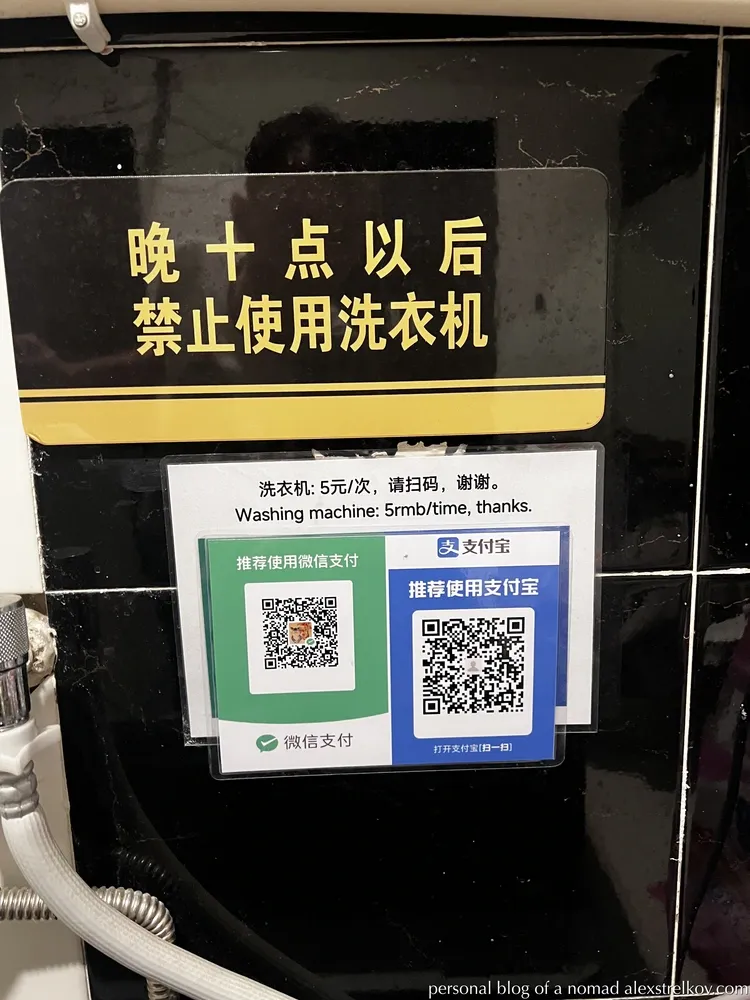
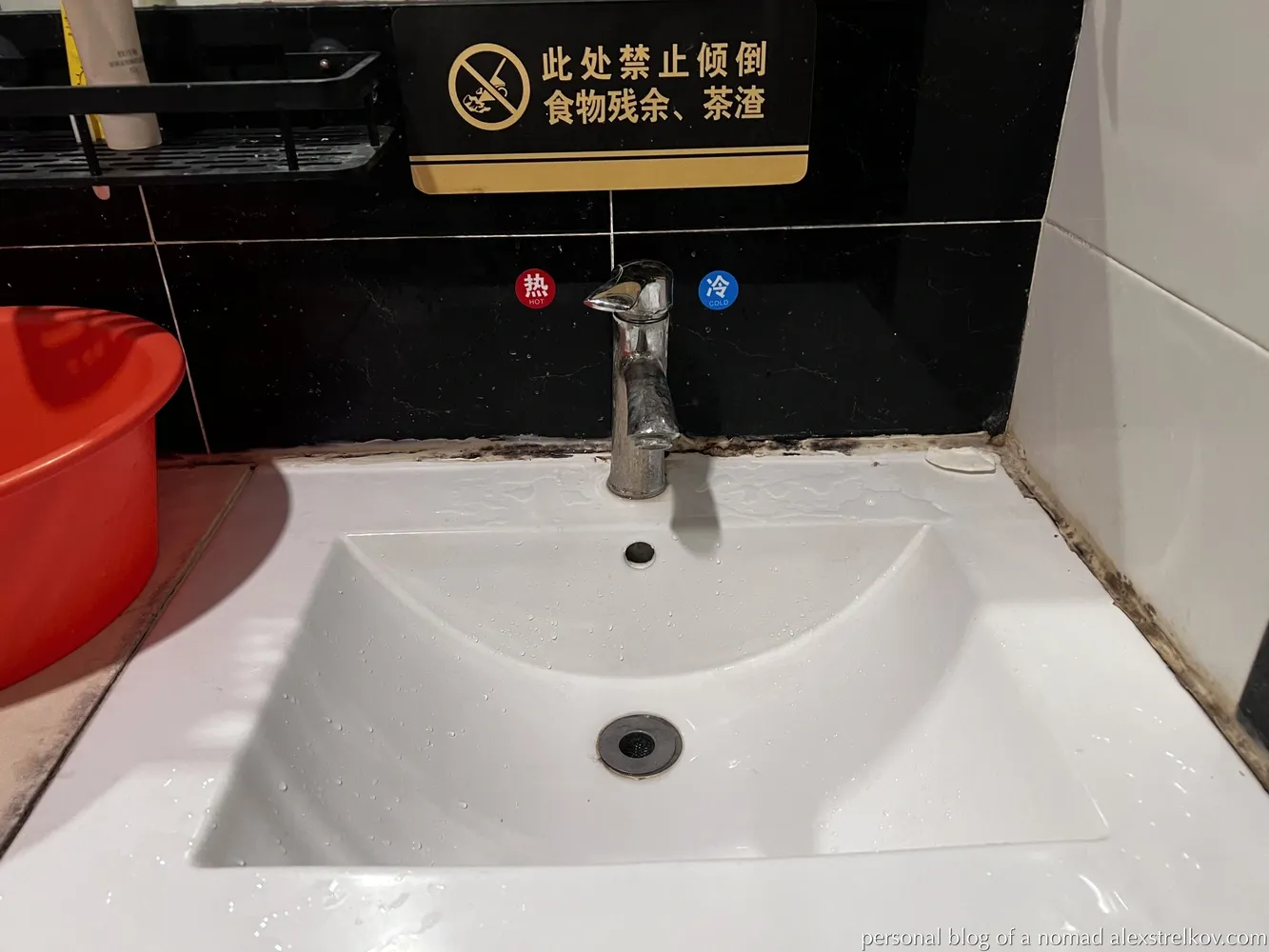
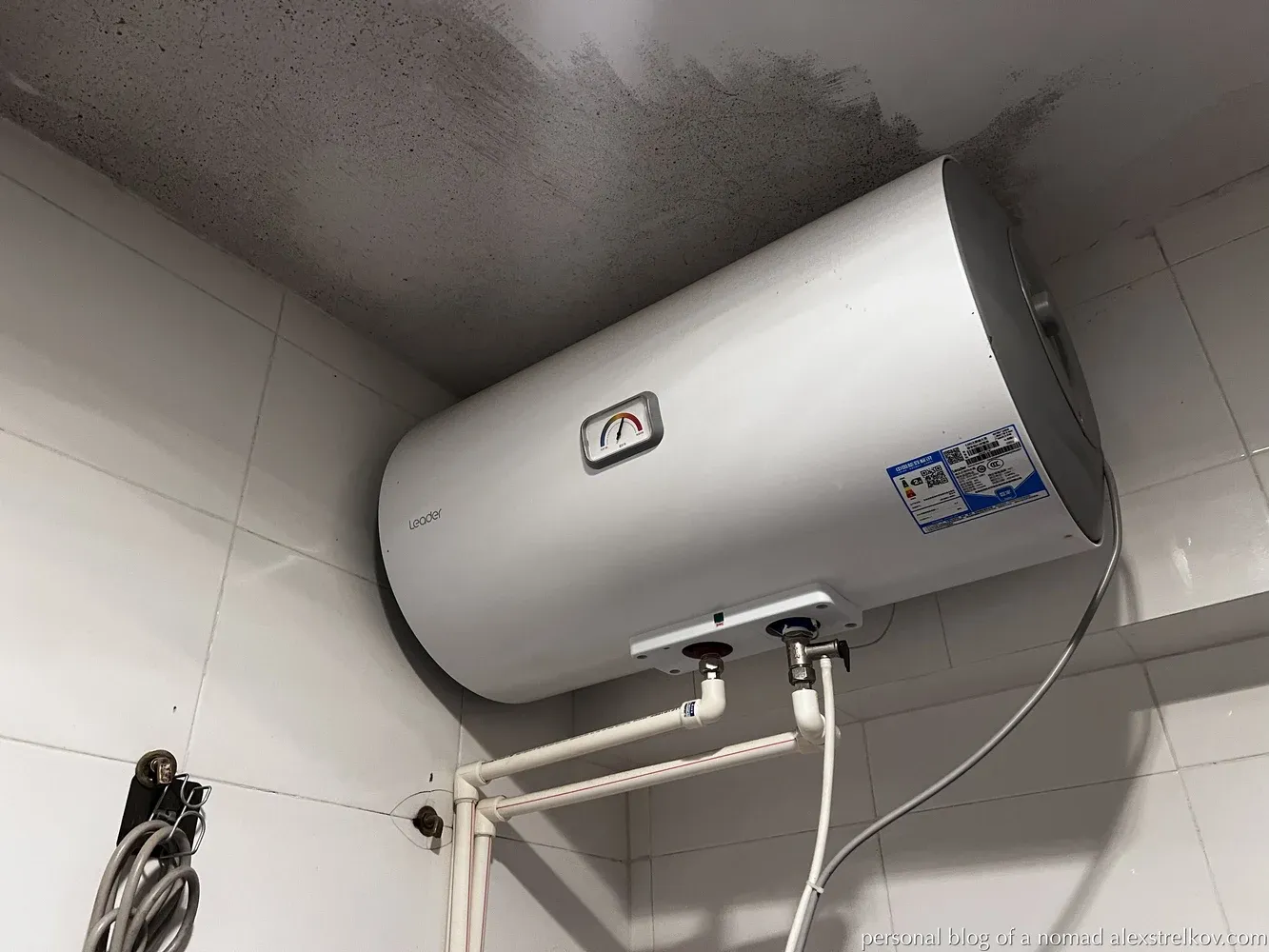
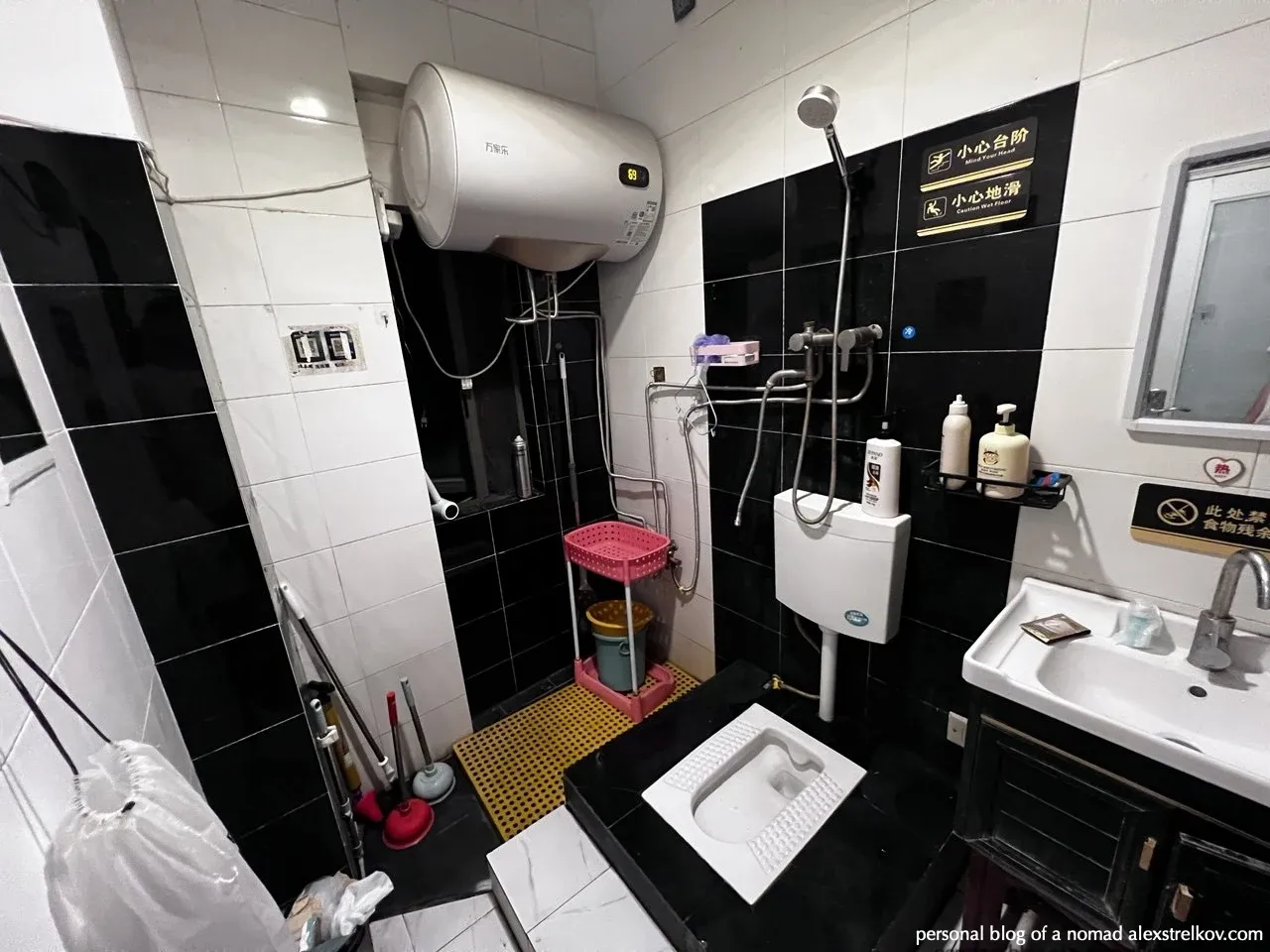
A classic Asian bathroom setup. Laundry is extra—5 rmb per wash.
More about the Common Area and Nomad Workspace
There is a living room area with a few tables and a sofa. It’s generally fine, but space is definitely tight. However, the very fact that a common area exists at all is a massive plus for a budget Chinese hostel—it gives you a place to exist and hang out outside your capsule.
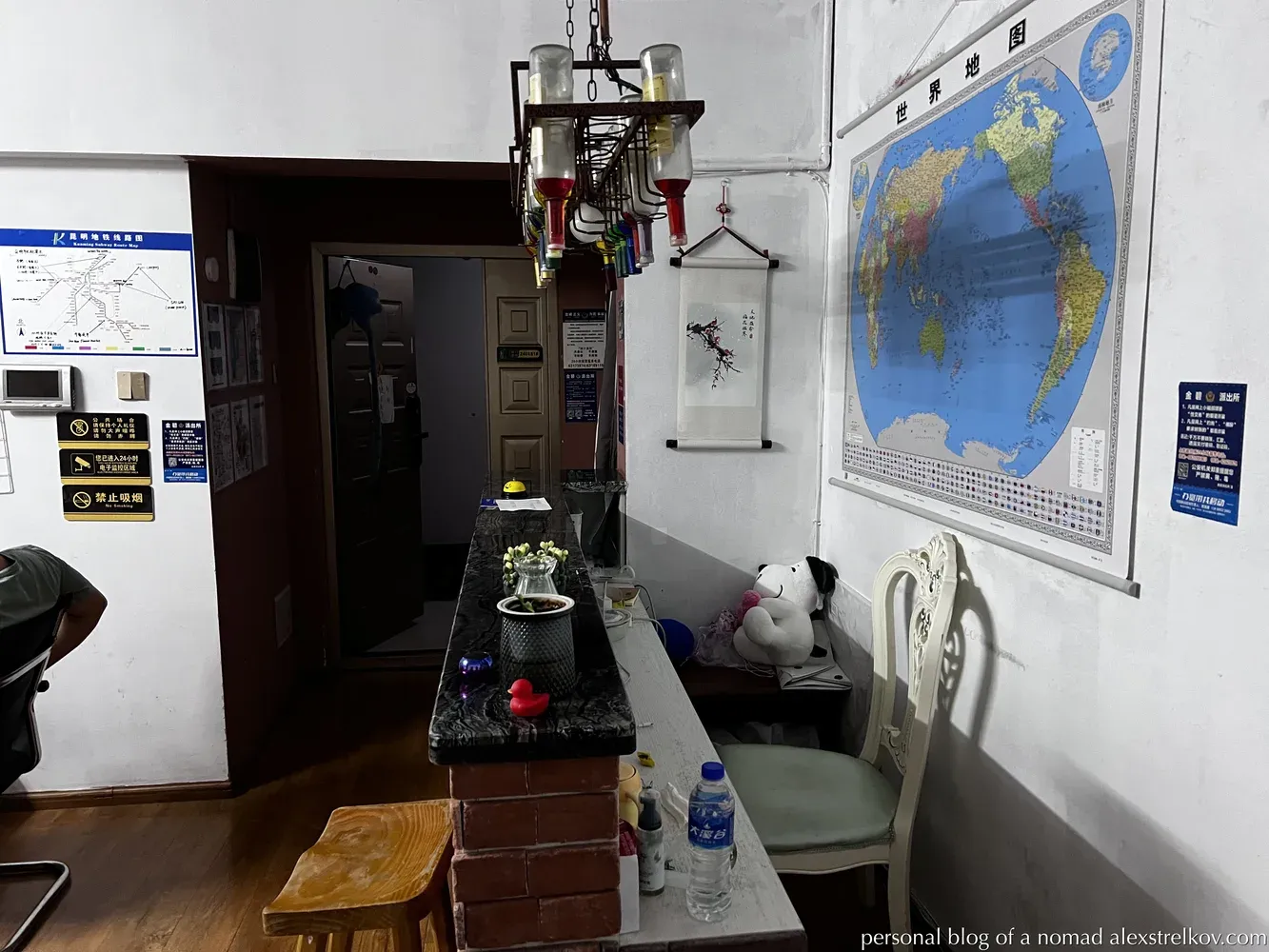
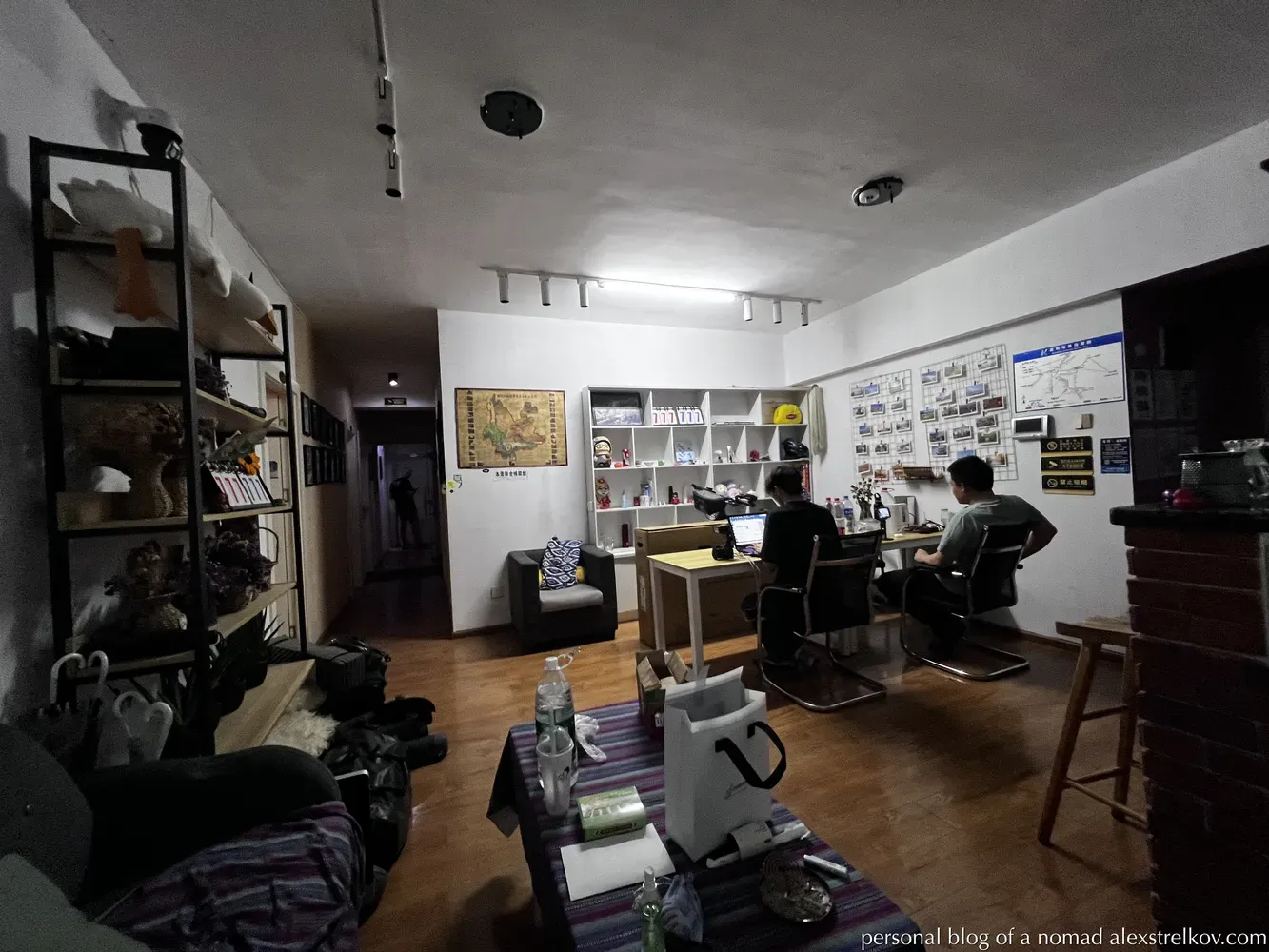
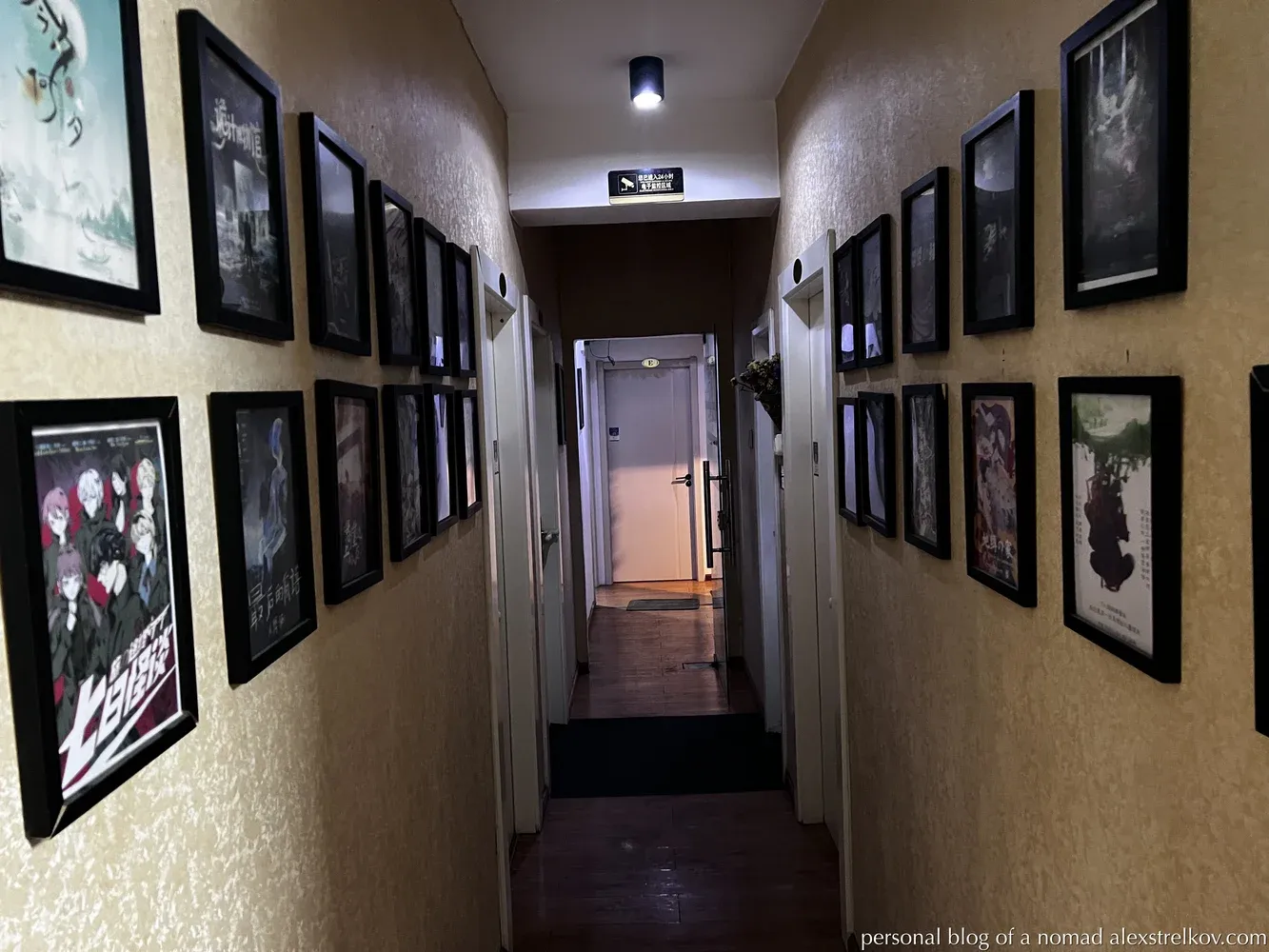
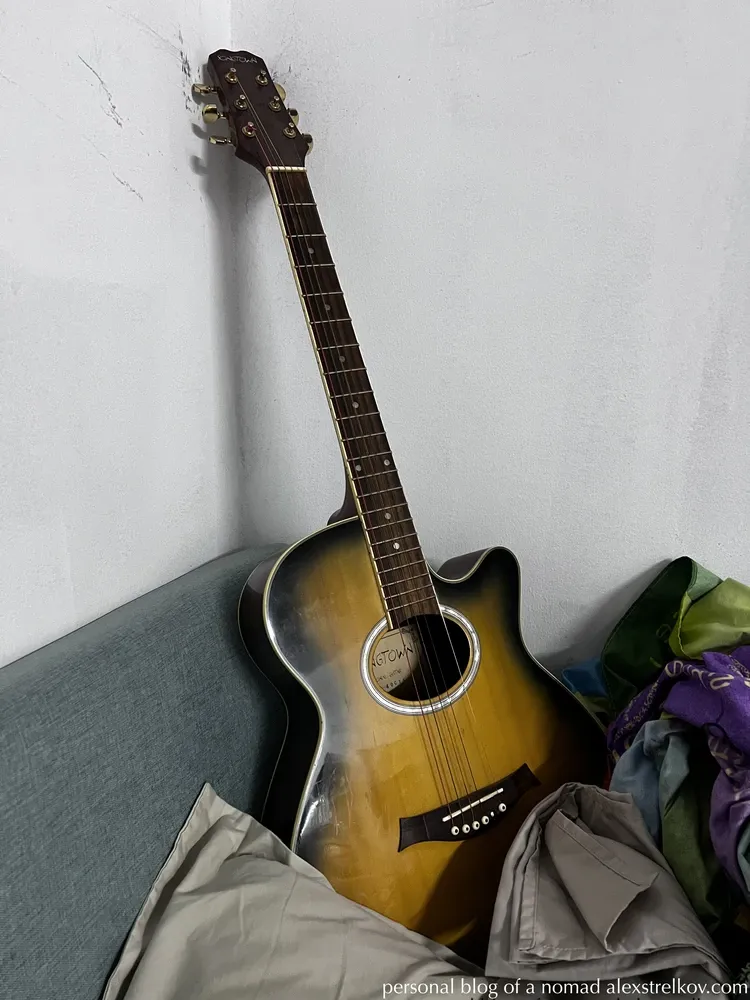
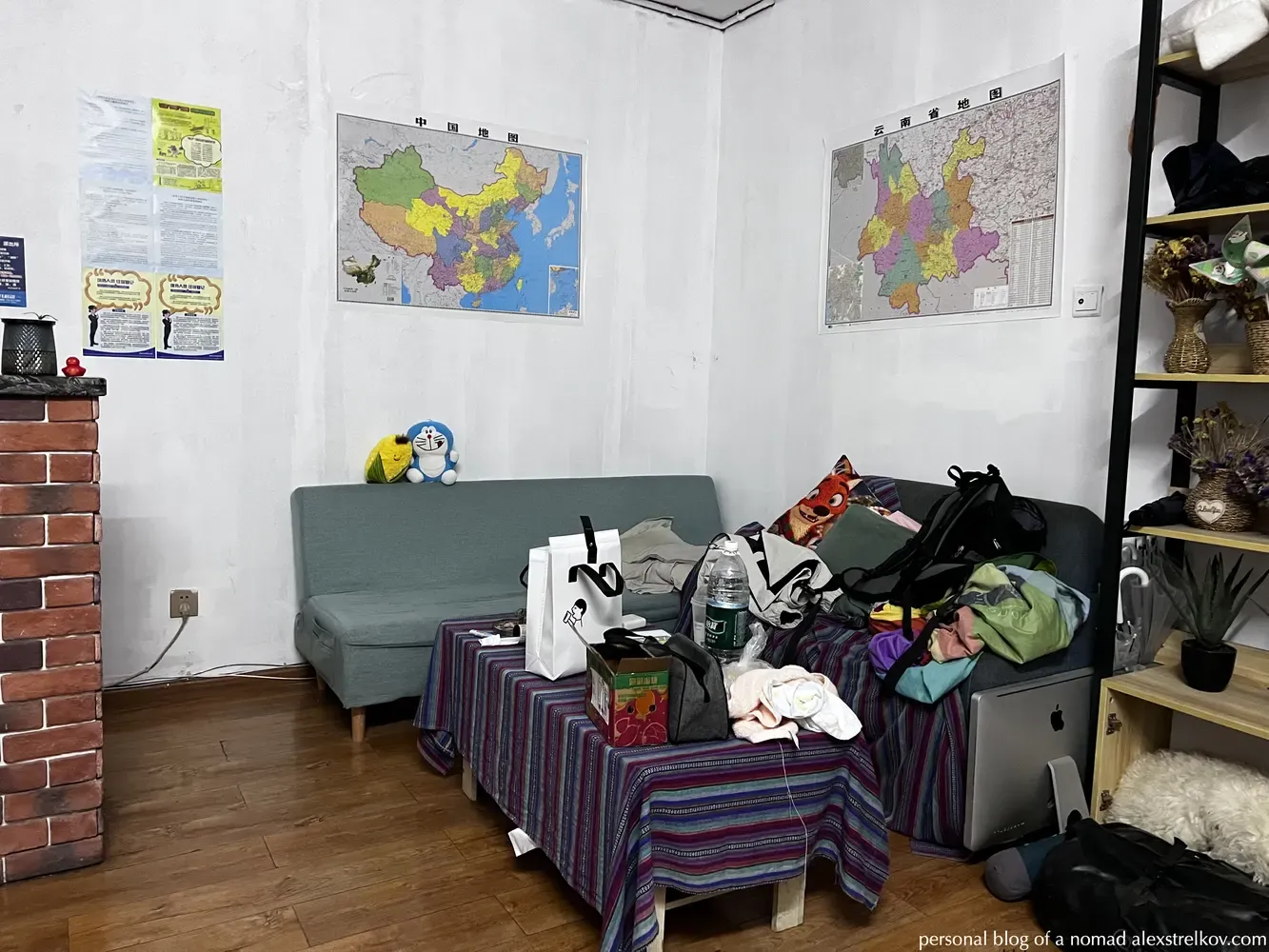
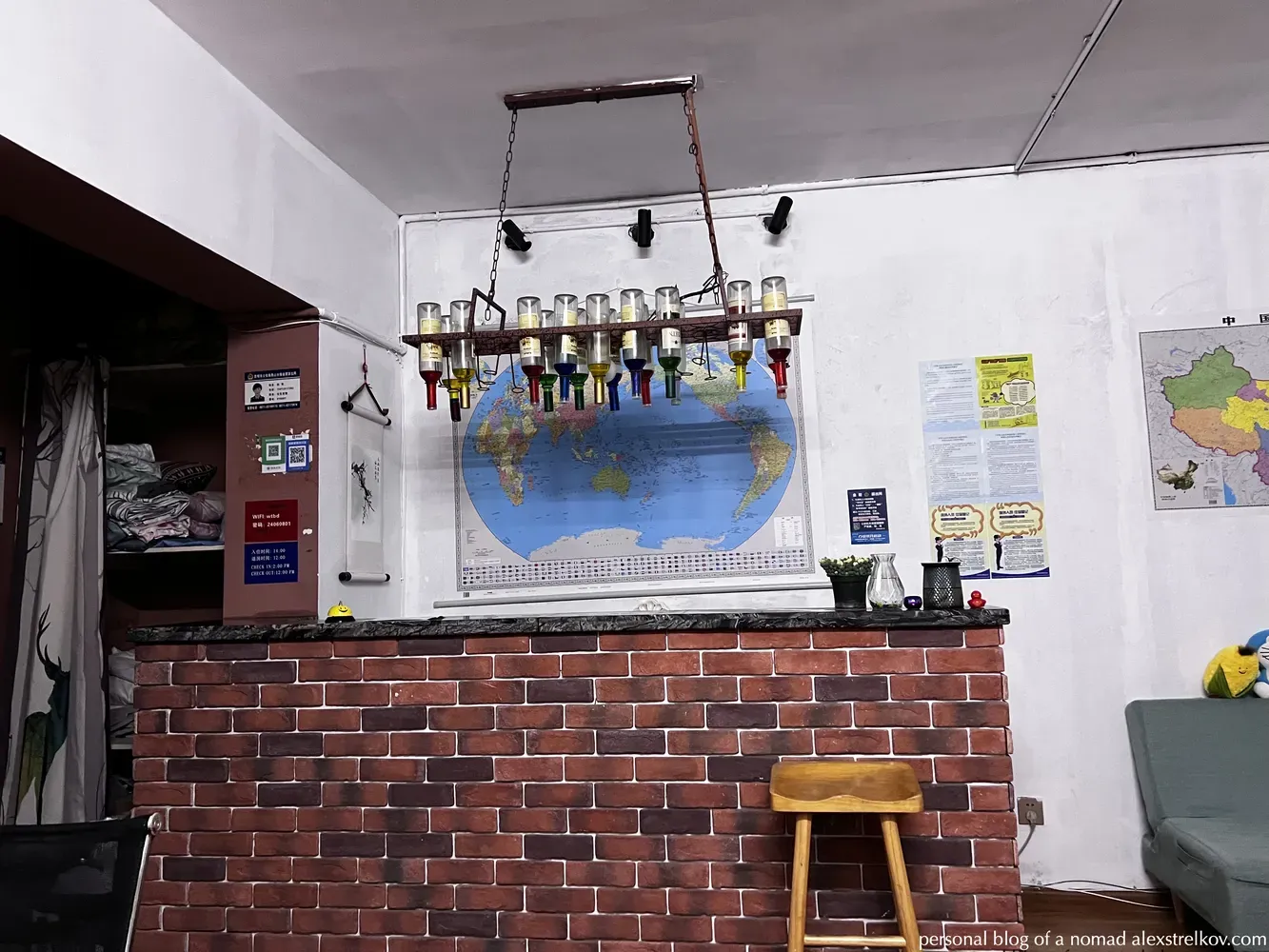
Сommon area for hostel guests
As for remote work: the Wi-Fi is solid and handles video calls without dropping. But finding a spot to actually sit down with a laptop is a quest. Space is severely limited, and I literally got chased out of my seat twice. First, I sat at a table that turned out to be inside the female dorm. Next, I moved to a regular sofa in the living room, only for that same assistant to kick me off, claiming the common guest sofa was actually his bed. Add to that the occasional thick smoke from mosquito coils in the lobby, and working here requires some patience.
The Breakdown
- Name and Price: Kunming Passing Clouds Hostel / Guowang Yunyan. 32 RMB per night (around €4.15).
- Vibe: Local. It gets crowded, but remains surprisingly quiet.
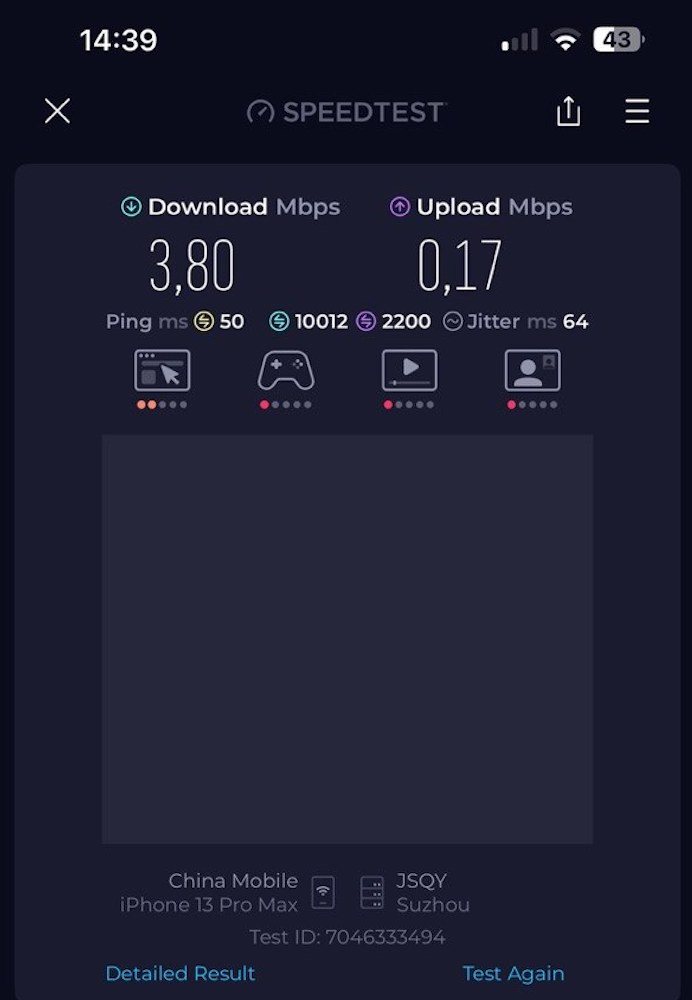
- Workspace and Wi-Fi: Good internet, handles video calls. But space is incredibly tight.
- Pros & Cons:
Pros: Unbeatable price, great location, quiet at night, excellent balcony view, friendly and hardworking owner, mini-kitchen, lockers, decent privacy in the capsule.
Cons: The hostel lacks a comfortable area to sit or work, and the lobby can be quite distracting due to constant loud conversations and food odors. In terms of service, the staff does not speak English, and the assistant's approach is quite hands-off, bordering on indifferent. Finally, be prepared for a lack of basic amenities: the rooms don't have AC, there is no drinking water provided, and towels aren't available even upon request.
Who it's for: Backpackers, budget solo travelers, and nomads who just need a cheap, quiet place to drop their bag for a few days.
- Verdict: Definitely worth the money.
Kunming Passing Clouds Hostel doesn't pretend to be a boutique hotel. It’s a raw, classic backpacker base that honestly earns every spent yuan. If you need sterile cleanliness and guaranteed workspace, you should look for a hotel. But if you're looking for a quiet spot with working internet right in the center of Kunming to catch your breath before your next overland push, this is a solid, budget-friendly choice.
Useful Services I've Been Using for 6 Years of Travel
These are the platforms I actually use when planning and booking trips — nothing I don't rely on personally.
Aviasales — flight search aggregator I use to compare prices across airlines and booking agencies. Often finds combinations that other search engines miss entirely.
Klook — activities, day trips, and experiences across Asia and beyond. Good for booking entrance tickets, tours, and transport passes in advance. I use it especially in cities where showing up without a reservation means waiting in line for two hours.
Tiqets — instant mobile tickets for museums and attractions worldwide. The tickets go straight to your phone, no printing, no queue at the box office.
Kiwitaxi — airport and intercity transfers in 100+ countries, with English-speaking drivers. Useful when you arrive somewhere late at night and don't want to figure out local apps from scratch.