UD1 and UD2 Visas in Vietnam: A Breakdown from Someone Who Actually Lives Here
Everyone's talking about Vietnam's new "nomad visa." I've lived here three years — let me tell you what's actually changed.

People have been asking me about this for months. "Heard Vietnam opened a visa for remote workers — is that true?" "Watched a reel about UD1, is that for people like me?" "Worth moving there or not?"
I've lived in Vietnam for three years. Before that — several stays of three months at a time, over six years of full-time travel. I know what the passport of someone who actually lives here looks like: a handful of Vietnam Immigration stamps at different dates, different border crossings — Lao Bao, La Lay, Moc Bai. Doing a visa run twice a year has become as routine as renewing insurance.
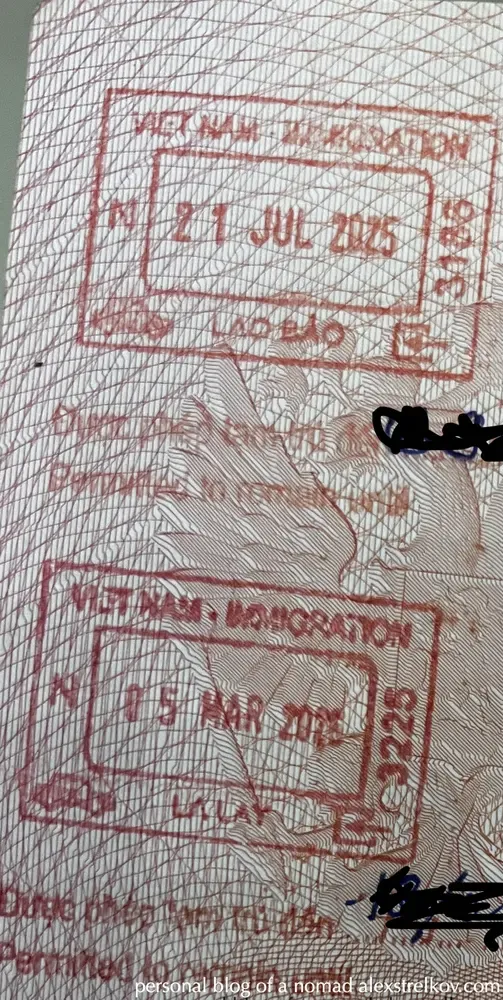
So — let's figure out what's really going on. No clickbait, no copy-pasted press releases. Just what I understood after spending a few hours going through the original sources.
Why There's So Much Noise Around This
Between 2025 and 2026, Vietnam carried out one of its largest visa reforms in a decade. A new foundational law on the entry and residence of foreigners (Law No. 118/2025/QH15), expanded visa-free access, a new long-stay card for "exceptional talent" called the SVEC — and, most importantly, two new visa categories: UD1 and UD2, set to launch on July 1, 2026.
UD1 and UD2 are the source of most of the noise. And I get why: on the surface, it sounds like what digital nomads have been waiting for — a long-term status in Vietnam without quarterly visa runs.
The devil, as always, is in the details.
What UD1 and UD2 Actually Are
UD1 is for highly skilled professionals and foreign nationals eligible for preferential treatment under Vietnamese law. UD2 is for their spouses and children under 18. Validity: up to 5 years — and up to 10 years for those working within the structures of Vietnam's new International Financial Centre (IFC), located in Ho Chi Minh City and Da Nang. Processing time: up to 3 working days once a complete application is submitted.
Sounds good. But who actually qualifies?
Key investors, experts, managers, and highly skilled technical specialists working for organisations based at the IFC — with a nomination from the IFC's governing authority.
In other words: you can't apply on your own. You need a Vietnamese sponsoring organisation. And that's the detail most short videos simply don't mention.
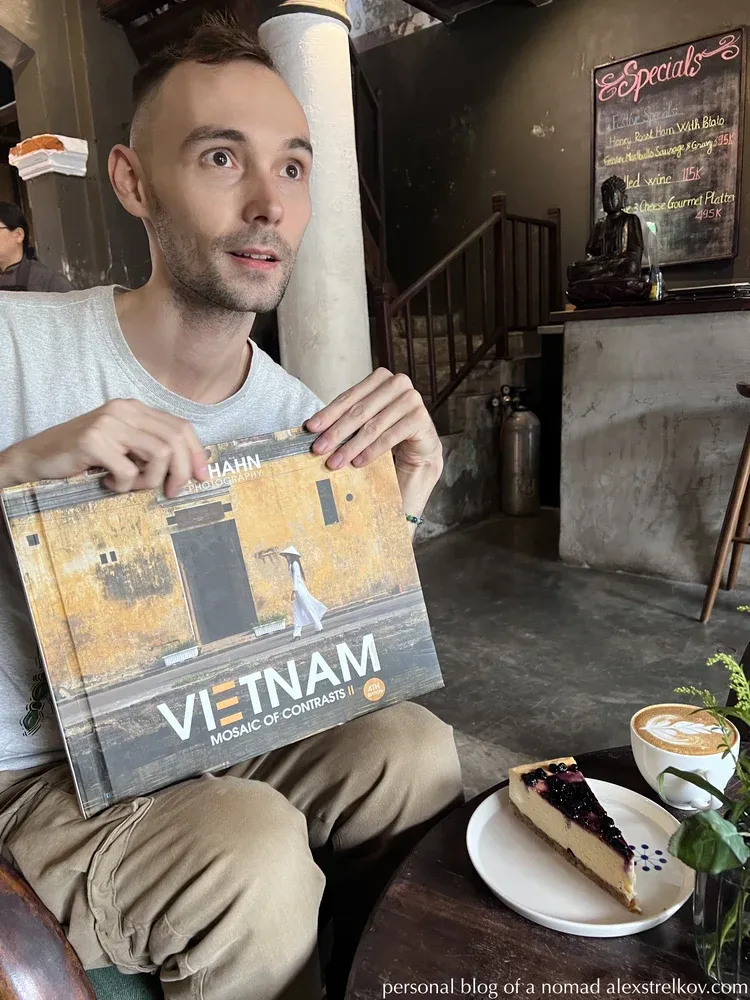
Who UD1 Is Actually For
The short version: senior executives, serious investors, internationally recognised researchers, and specialists invited by a specific Vietnamese company or institution.
If you're a freelancer, a remote employee of a foreign company, an independent developer, a YouTube creator, or a consultant without a Vietnamese sponsor — UD1 is not your story. At least not yet.
Want to check whether your profile might qualify? There's an independent resource with an eligibility quiz: vietnamud1visa.com/quiz. Not an official government portal, but it pulls together up-to-date analysis of the selection criteria.
How Everyone Else Actually Lives Here — Which Is Most of Us
Three years in, and I've never felt that the absence of a dedicated nomad visa was a real obstacle. Here's how the setup actually works.
90-day e-visa — the main tool. Applied for online at evisa.gov.vn, costs $50 (multiple entry), arrives in 3–5 working days. Accepted at 83 border crossings — all major airports and most land borders. Citizens of many European countries, Russia, and others can enter visa-free for 45 days, meaning the first month and a half requires zero paperwork at all.

Visa run — when you want to stay longer. You leave for Laos, Cambodia, or Thailand, apply for a new e-visa online, come back. The standard route via Lao Bao and back takes one to two days. Total cost with transport and accommodation: roughly $150–300. Twice a year — and that's your entire "visa question" handled.
The grey zone of remote work — yes, technically the e-visa is issued as a tourist visa. Working for foreign clients from a Vietnamese café isn't formally authorised. In practice, thousands of people do exactly this and nobody particularly checks. But one thing to take seriously: in 2026, Vietnam tightened overstay fines to a maximum of 40,000,000 VND (roughly $1,500), and enforcement is trending stricter, not looser. Don't overstay. That's no longer just a formality.

Is Vietnam Worth Going to in 2026?
Yes. No caveats.
Most nomads live comfortably here on $700–1,500 a month — accommodation, food, coworking, and entertainment included. Internet runs at 100+ Mbps in any city café. Da Nang, Hoi An, Ho Chi Minh City — all have established expat communities with meetups, coworking spaces, and solid infrastructure.
Vietnam doesn't offer a dedicated nomad visa and, by the looks of it, isn't planning to anytime soon. What it does offer is low-barrier entry, a working e-visa-plus-visa-run setup, and — for those who meet the criteria — the country's first real long-term residency card in its history.
For flights, I search on Aviasales — particularly useful for routing through China or the UAE, where it often surfaces combinations that other aggregators miss entirely.

If You're Seriously Considering UD1
The system launches July 1, 2026. Until then — research and preparation only. Check your profile at vietnamud1visa.com/quiz, and if the result looks promising, work with a licensed immigration lawyer in Vietnam. This is not a situation to navigate alone.
For everyone else — welcome. Vietnam is open, accessible, and still one of the best options in Asia for people who work for themselves.