Lao Cai to Hekou: Crossing the Vietnam-China Border on Foot
The ultimate 2026 backpacker’s guide to crossing from Lao Cai (Vietnam) to Hekou (China). Real tips on visas, immigration queues, and budget onward travel.
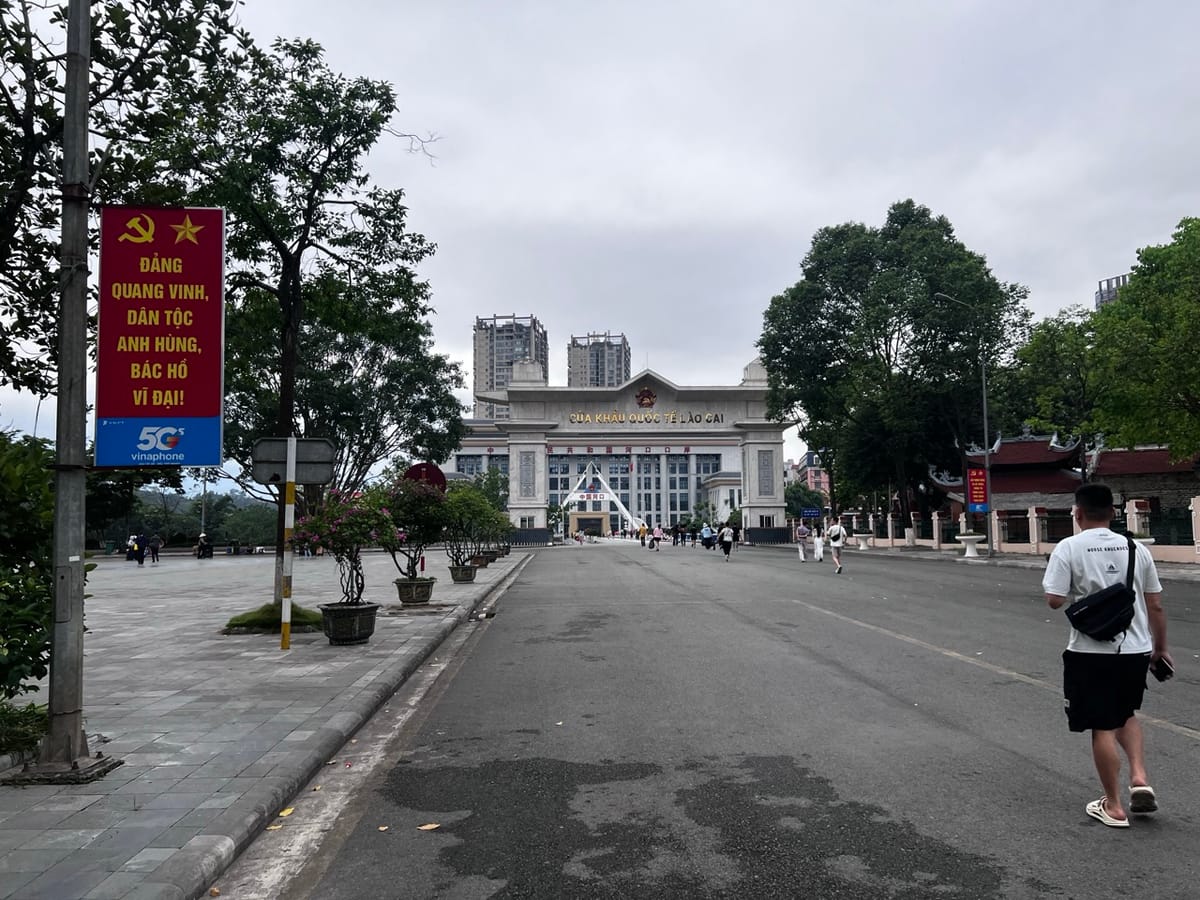
Most backpackers ride from Hanoi to the mountain terraces of Sapa and call it the end of their northern route. But if your goal is Yunnan province, Sapa becomes the perfect launching pad for a push to the Chinese border.
The Lao Cai – Hekou crossing isn't a sterile airport terminal. It’s a place where you physically step from one world into a completely different one, just by throwing your backpack over your shoulder. No neutral zones on buses. Just you, a border bridge, and a sharp shift in alphabets, architecture, and rhythm.
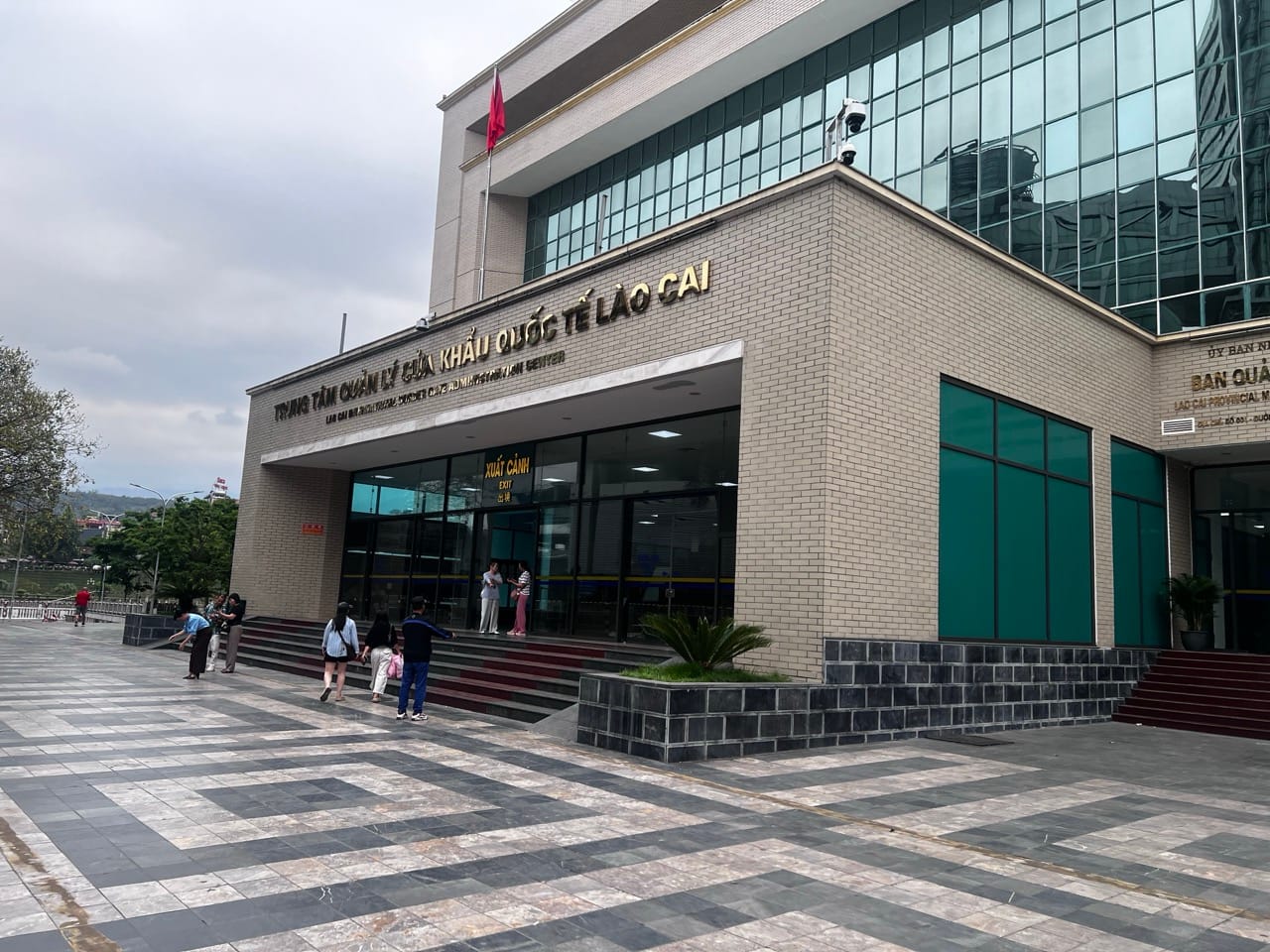
The Vietnamese Side: Traders and Empty Suitcases
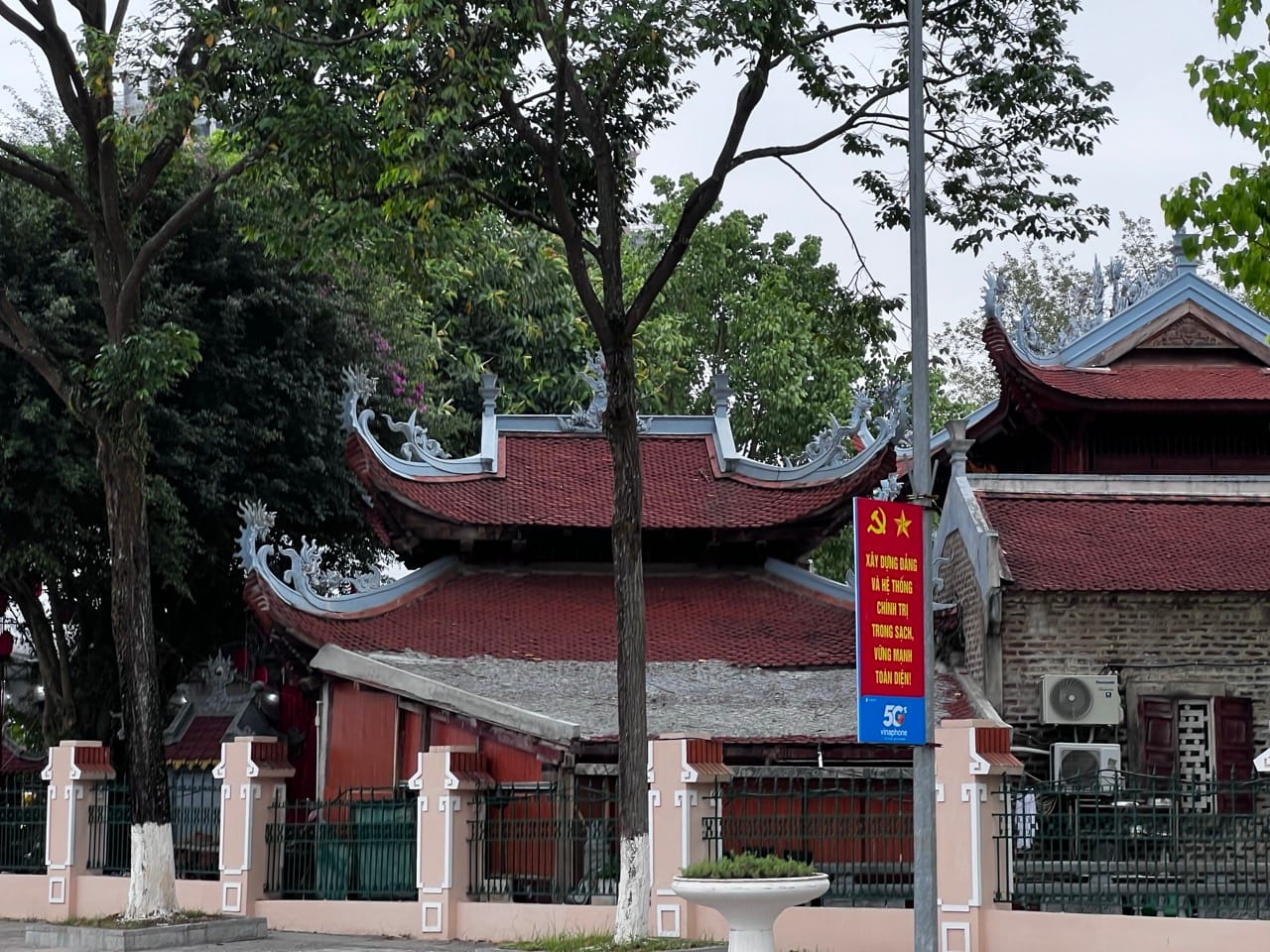
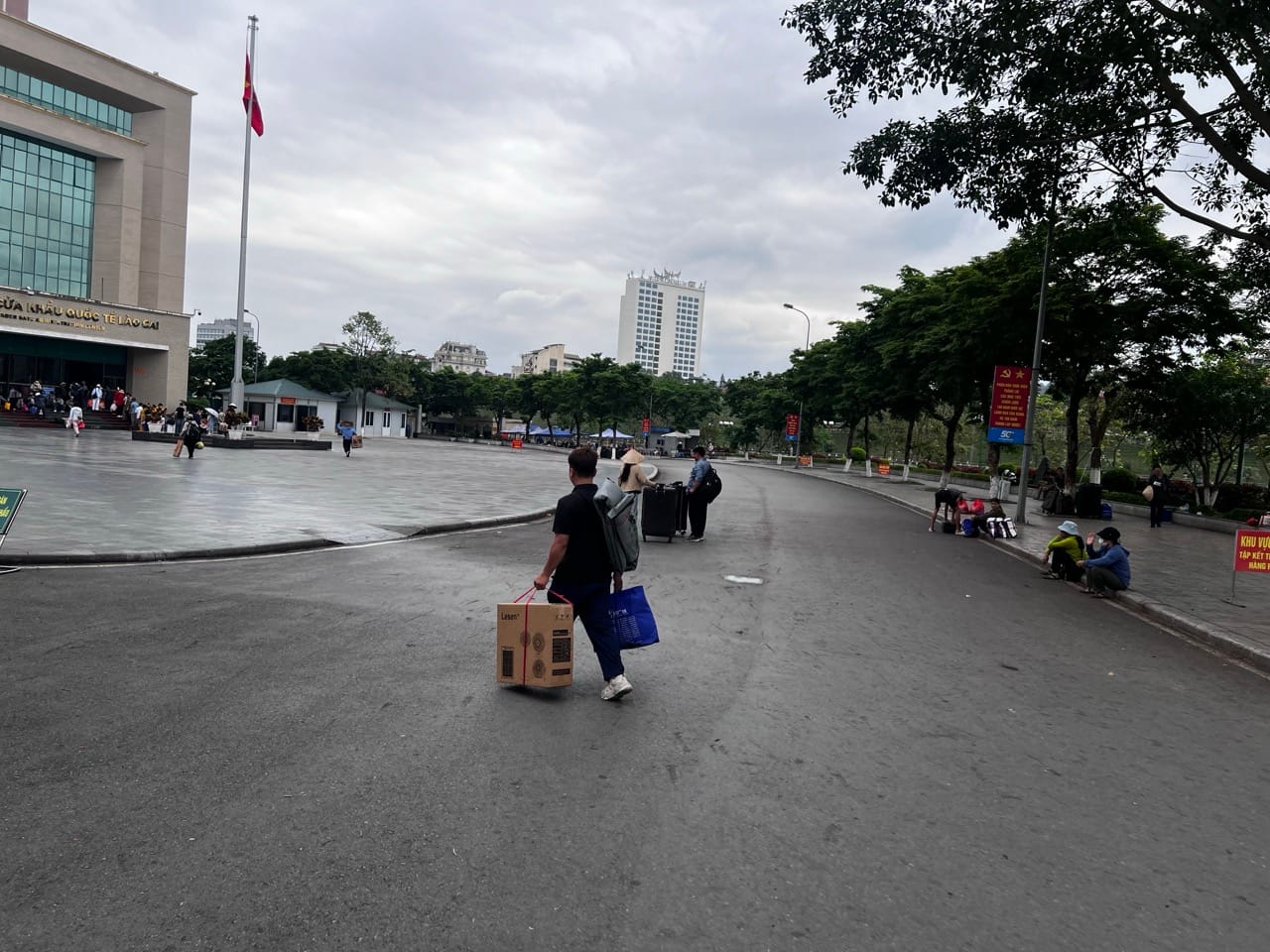
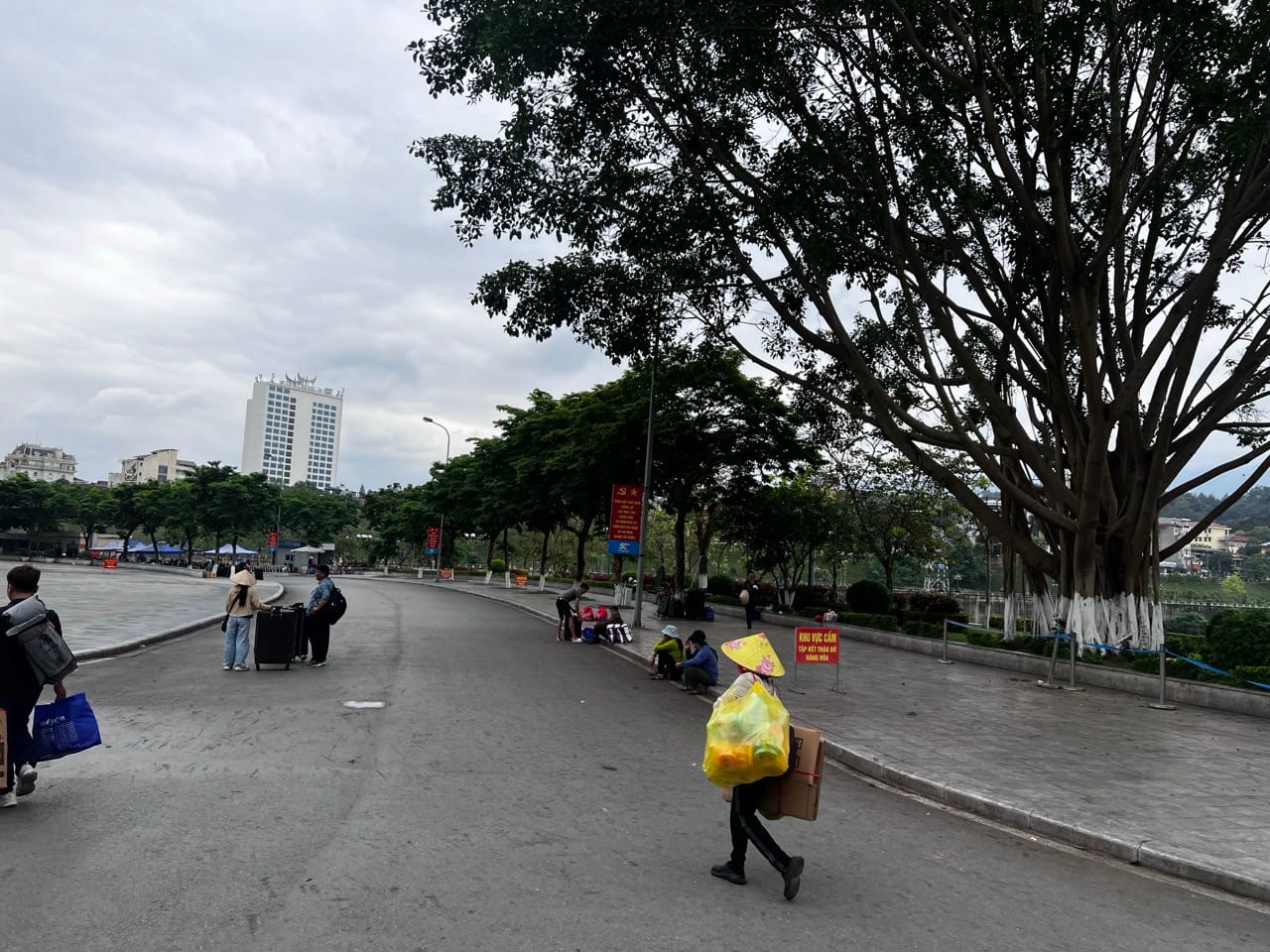
Western faces are rare at this checkpoint. It’s mostly locals crossing. If you look closely at the queue on the Vietnamese side, you'll notice an interesting detail: most people are standing with massive cardboard boxes or completely empty suitcases.
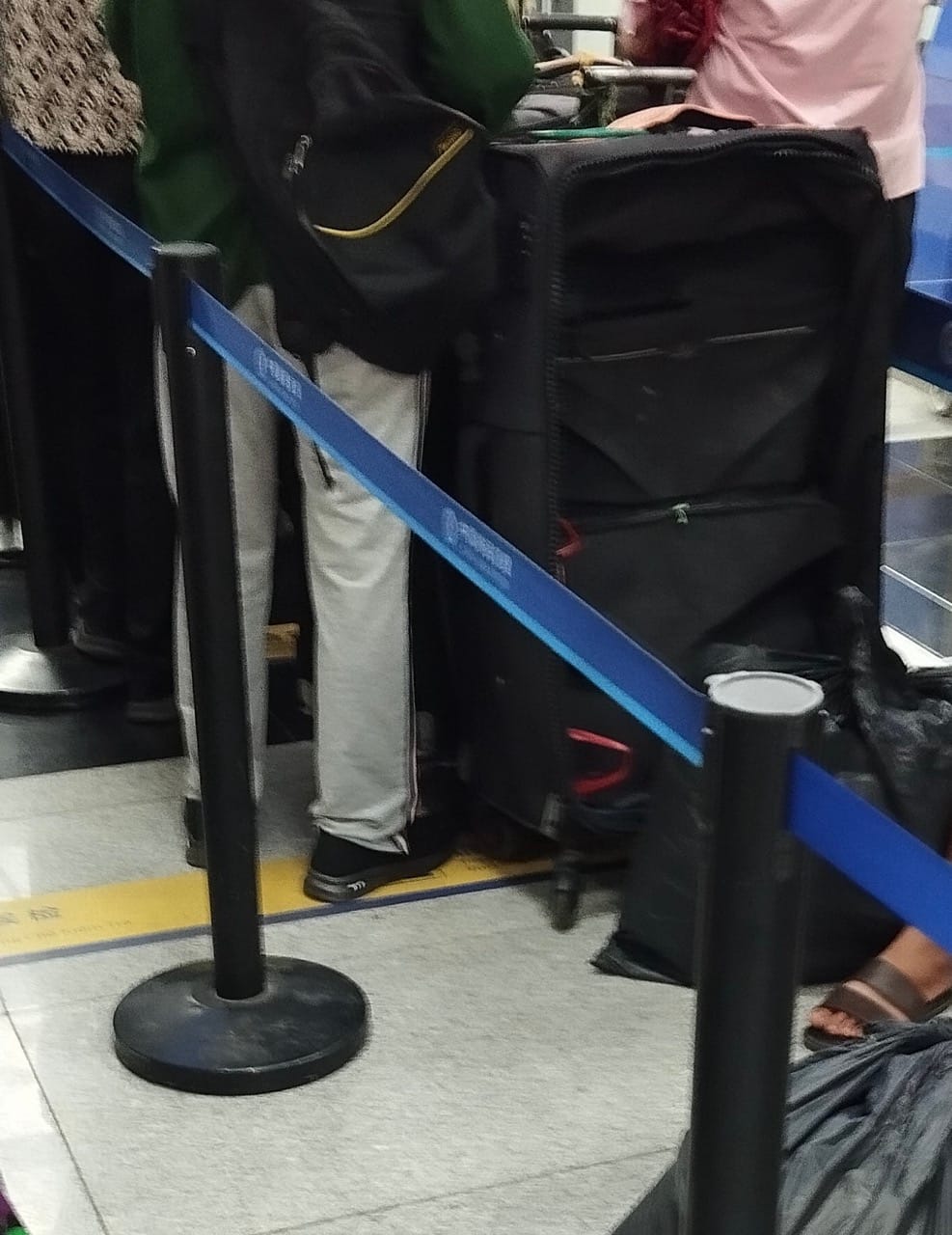
These are traders heading to China for wholesale goods to resell back in Vietnam.
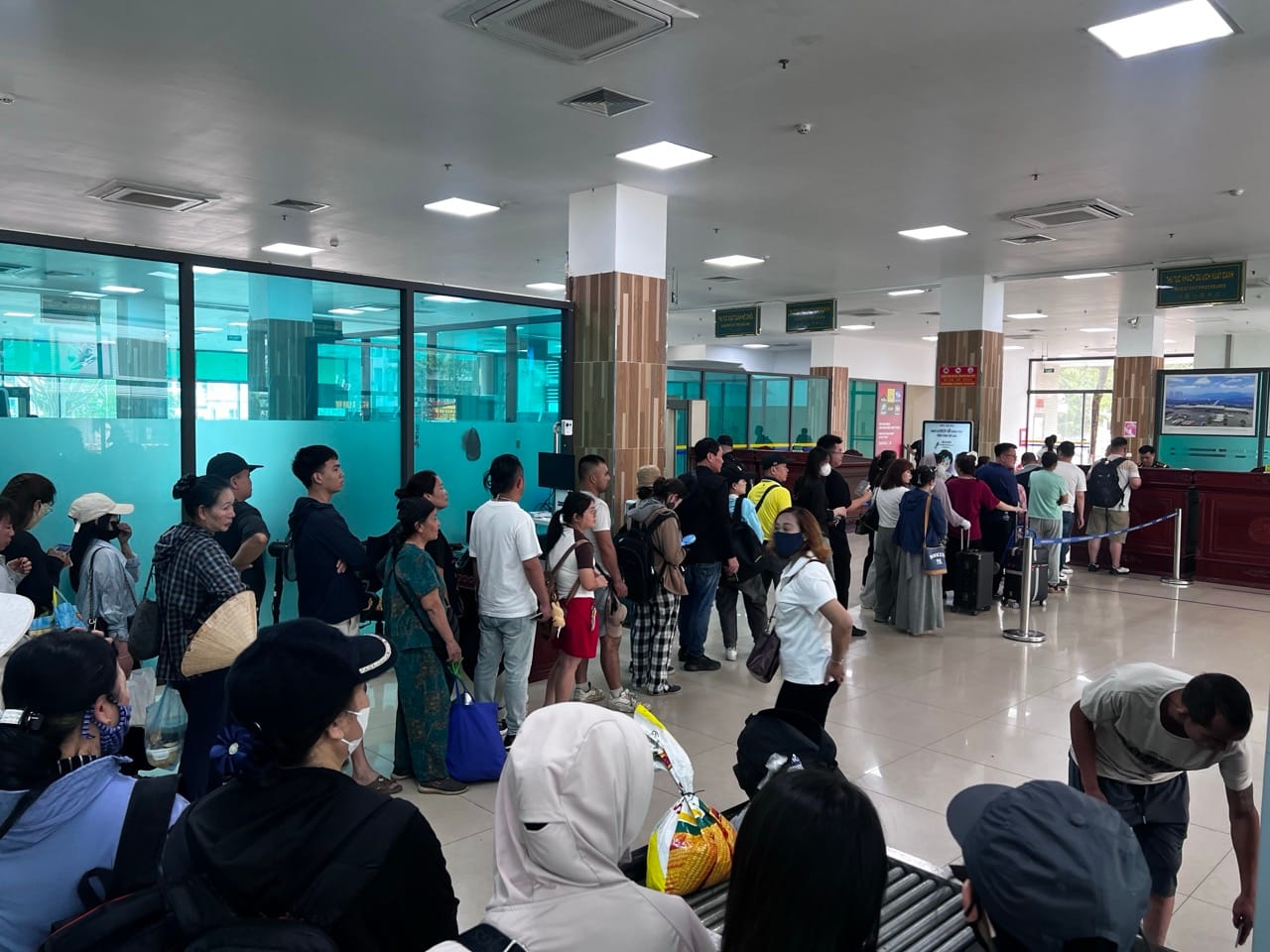
Because of the heavy trader traffic, getting your exit stamp rarely takes five minutes. The lines can move slowly, so mentally prepare to spend about an hour inside the Vietnamese customs building.
Crossing the bridge on foot
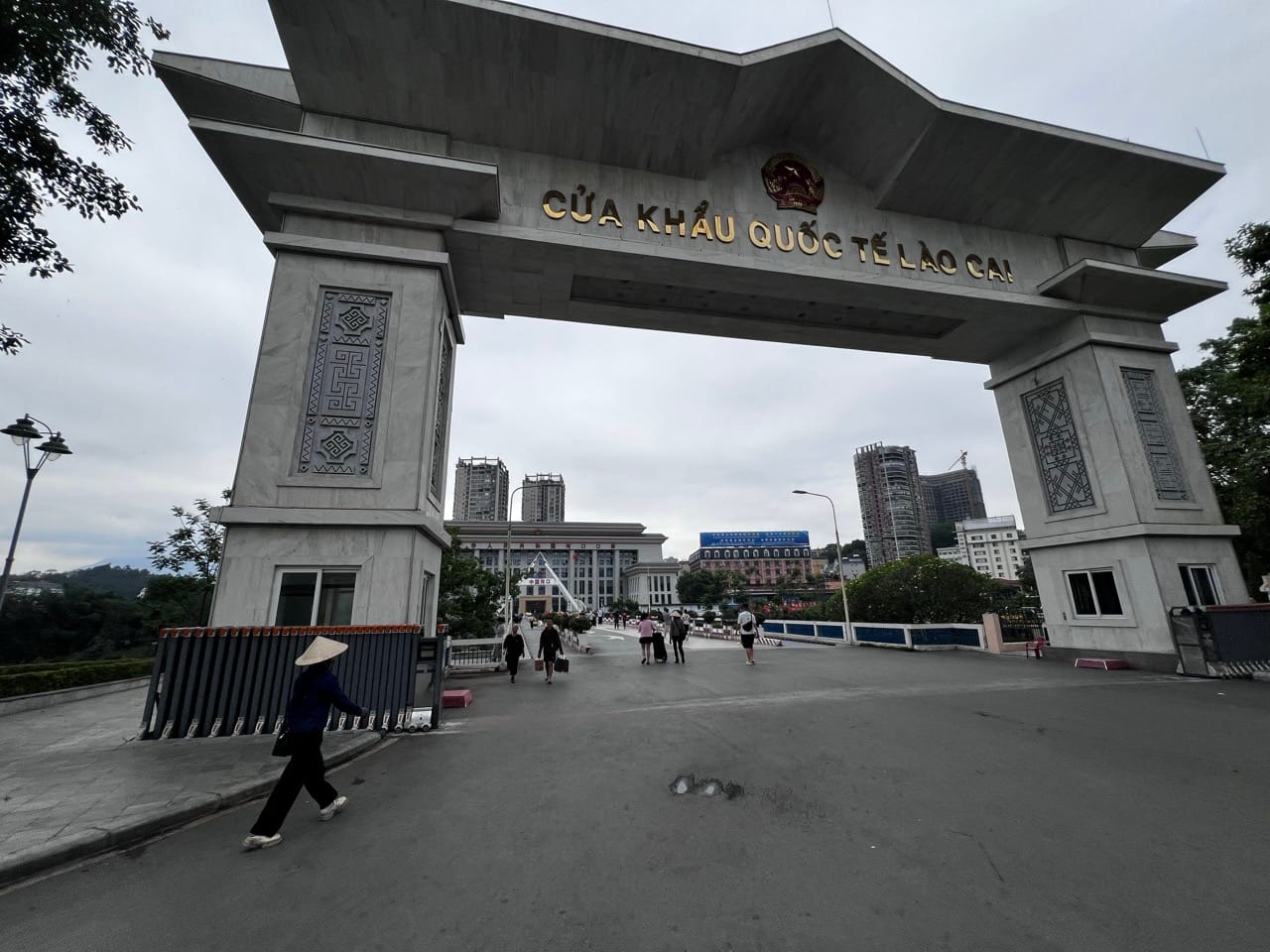
Once the formalities are sorted, you step outside. Then the best part begins—a walk across the Red River that divides the two nations.

This five-minute walk across the bridge feels like teleportation. The Vietnamese chaos gradually fades, and straight ahead rises the massive, strict facade of the Chinese border complex with its characters and red flags.

The Chinese Border: QR Codes and Arrival Cards
Before you reach the Chinese immigration window, you'll be stopped for digital registration. The system strictly monitors the purpose of your visit. You'll need to scan a QR code and fill out an electronic arrival card on the government portal.
Tip: Don’t waste time standing in a crowded hall with a backpack on. Fill out the in advance on the day of your trip, while you still have a solid Vietnamese internet connection.

Registration link that opens after scanning QR-code
The Chinese side is thorough. The queues here are just as dense as in Lao Cai. In total, clearing both borders took me about two hours.
Currency, SIMs & The Firewall
The moment you get that coveted sticker in your passport and step out into Hekou, the contrast hits you hard. English disappears; there are only Chinese characters around you.
Standard ATMs here rarely accept Western cards like Revolut or Wise, and exchanging cash with street vendors means losing out on commission. China operates entirely on local digital ecosystems. Personally, I use the Nihao China app to handle my payments here.
Have any of you crossed land borders in Asia? Share your experiences and wait times in the comments—your stories genuinely help other backpackers plan their routes.
Useful Services I've Been Using for 6 Years of Travel
These are the platforms I actually use when planning and booking trips — nothing I don't rely on personally.
Klook — activities, day trips, and experiences across Asia and beyond. Good for booking entrance tickets, tours, and transport passes in advance. I use it especially in cities where showing up without a reservation means waiting in line for two hours.
Tiqets — instant mobile tickets for museums and attractions worldwide. The tickets go straight to your phone, no printing, no queue at the box office.
Kiwitaxi — airport and intercity transfers in 100+ countries, with English-speaking drivers. Useful when you arrive somewhere late at night and don't want to figure out local apps from scratch.
Aviasales — flight search aggregator I use to compare prices across airlines and booking agencies. Often finds combinations that other search engines miss entirely.